Blog

  • What to Do in Wrocław in 3 Days: A Complete Weekend Itinerary

    What to Do in Wrocław in 3 Days: A Complete Weekend Itinerary

    What to do in Wrocław in 3 days: a complete weekend itinerary
    What to do in Wrocław in 3 days: a complete weekend itinerary

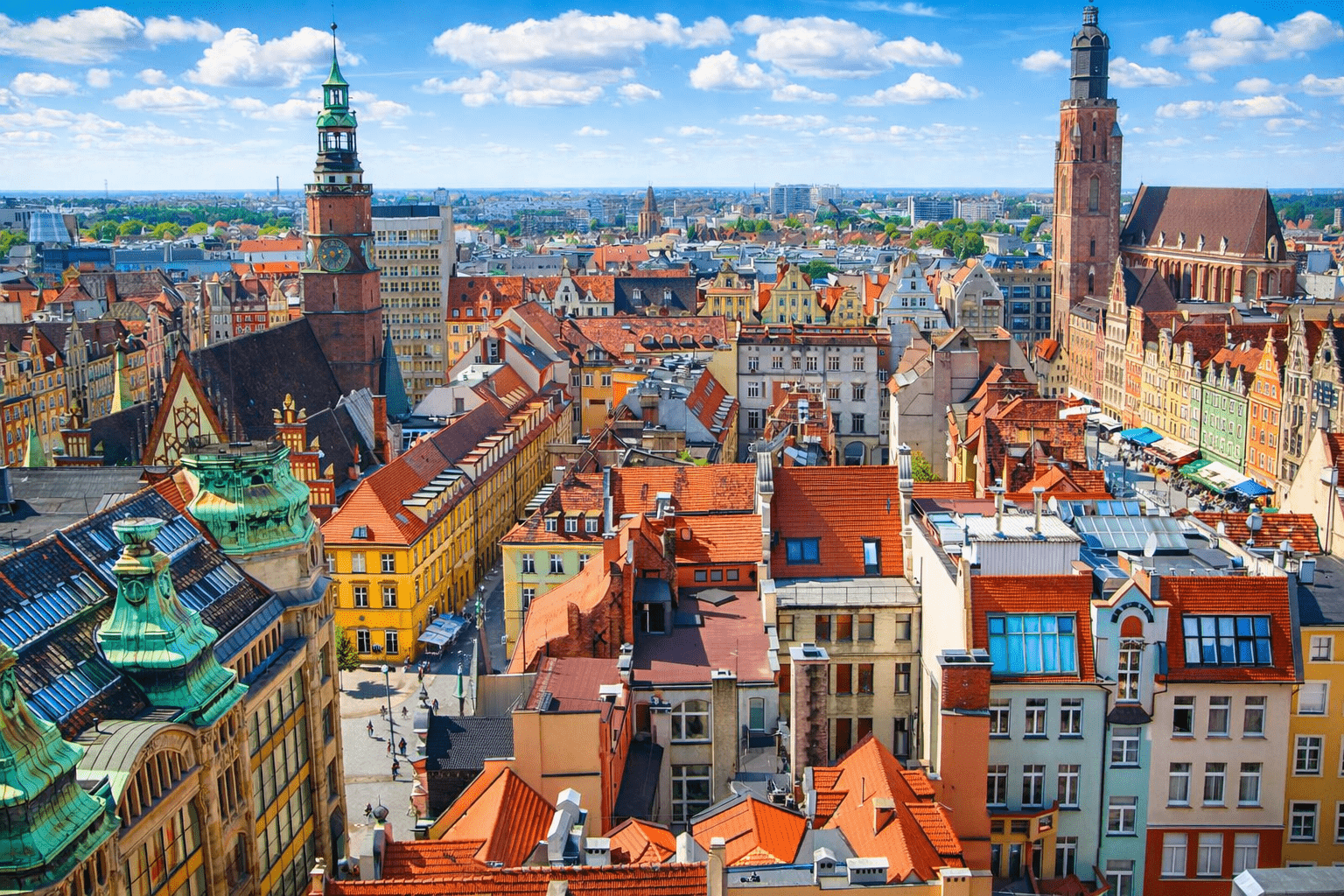
    What to do in Wrocław in 3 days: a complete weekend itinerary – is a very common question among travelers discovering this city for the first time. If you’ve asked yourself the same question, you’re in the right place.

    In this article, we present a detailed, realistic, and well-organized itinerary based on years of experience working in the tourism sector in Wrocław and throughout the Lower Silesia region. The goal is to help you know exactly what to do, what to see, and how to organize your time to make the most of your stay.

    Wrocław (Breslavia) is one of the oldest cities in Poland, with a thousand-year history shaped by the coexistence of different cultures and traditions. Over the centuries, it has belonged to various states, leaving a very visible imprint of German, Polish, Bohemian, and Austrian influences—both in its architecture and in its character.

    It is an ideal city for a long weekend getaway or a three-day trip, as it perfectly combines an attractive historic center, nature, culture, and excellent gastronomy.

    In this itinerary, we assume you arrive in Wrocław in the afternoon or evening, so the sightseeing begins the following morning.


    Day 1 – Historic Center and First Impressions

    Breakfast in Wrocław
    What to do in Wrocław in 3 days: a complete weekend itinerary

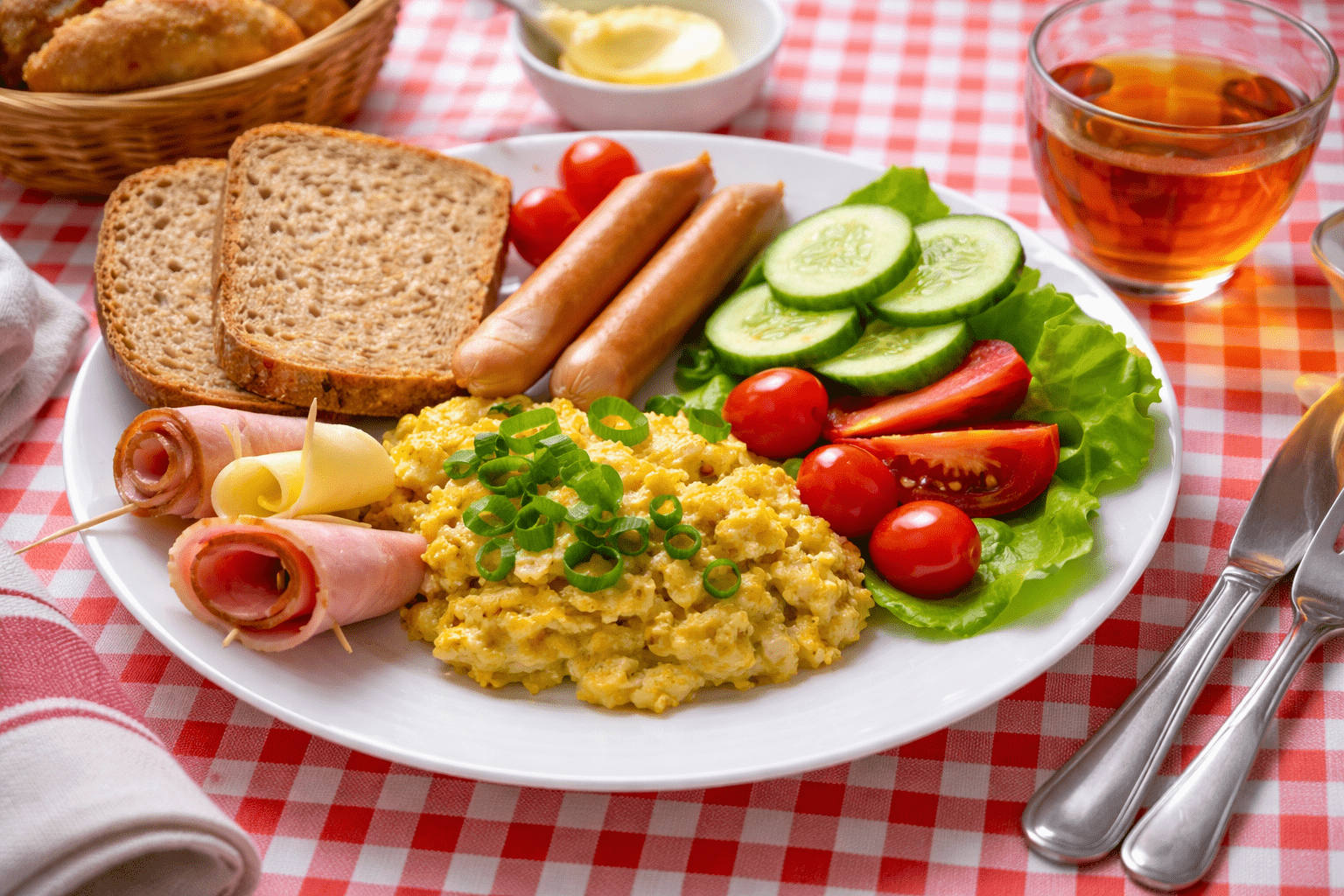
    To start the day well, a good breakfast is essential. Depending on your accommodation, many hotels offer breakfast included, where you can try typical products such as Polish cold cuts, local cheeses, fresh bread, and eggs prepared in different ways.

    If breakfast is not included, here are some recommended options depending on the experience you’re looking for:

    Option 1 – Quick and functional breakfast
    ChatGPT Image 20 sty 2026 16 33 22

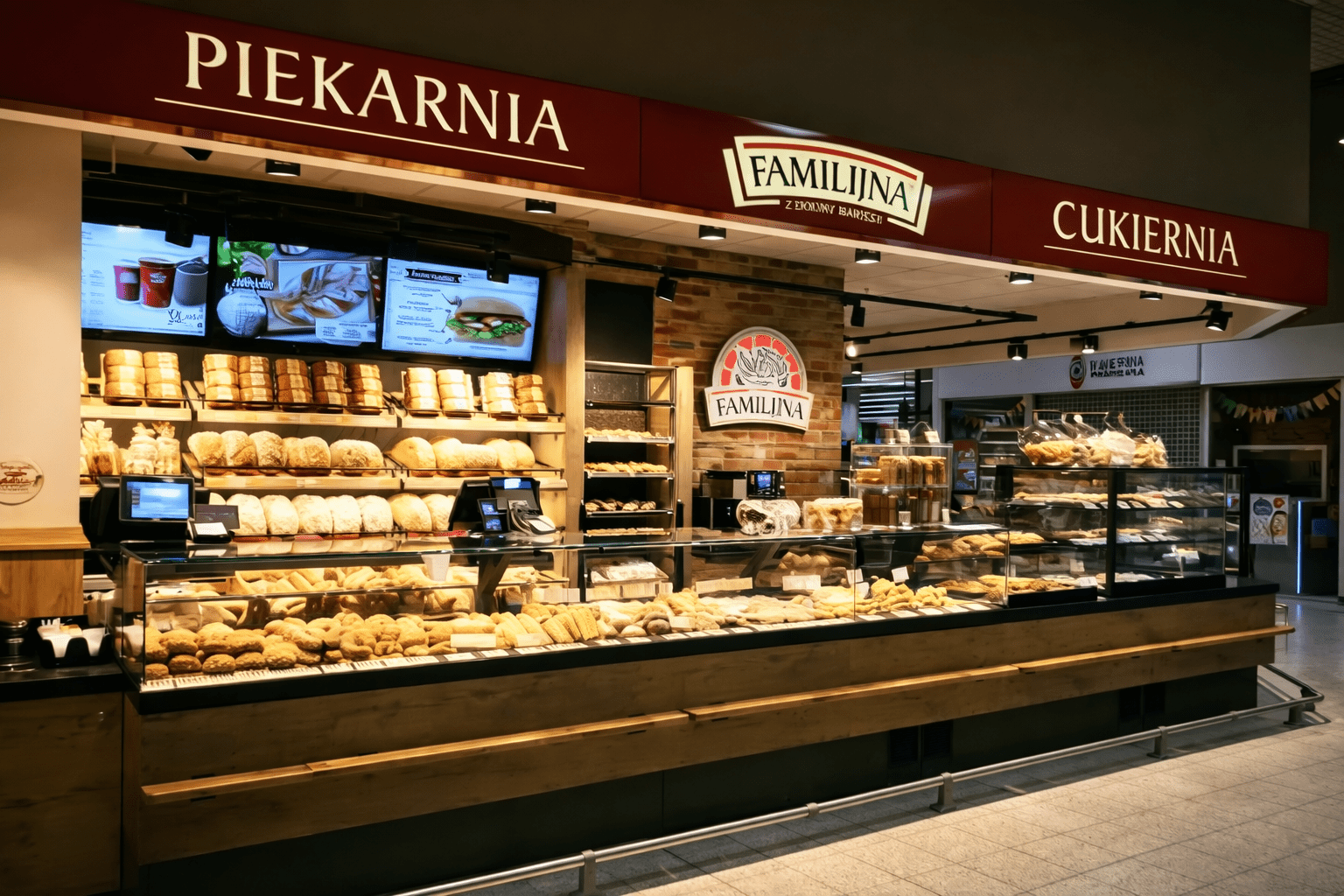
    If you prefer something simple and efficient to start the day without losing time, you can grab a coffee with a sandwich or pastry at a local bakery on Świdnicka Street, one of the main arteries of the city center.
    Recommended bakery: Familijna Cukiernia | Piekarnia | Bistro i Kawa Wrocław Świdnicka

    Option 2 – Relaxed breakfast in the historic center
    Breakfast in Wroclaw

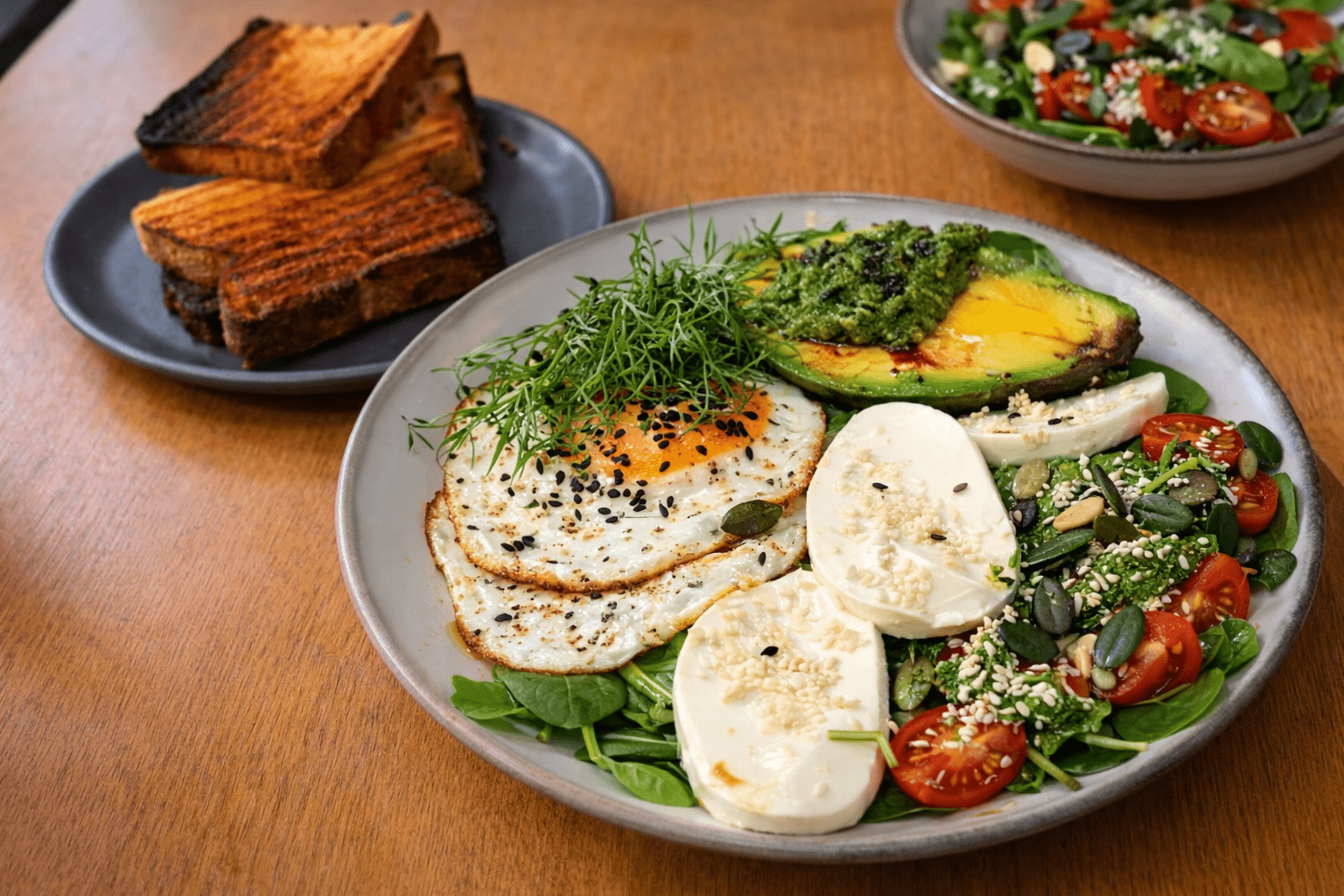
    A very good choice is Paloma Coffee, located at Plac Solny. It is well known for its excellent specialty coffee from its own roastery, as well as toast, eggs, and more elaborate breakfast options—perfect for starting the day calmly.

    Option 3 – University district

    In the university area, you’ll find several interesting places:

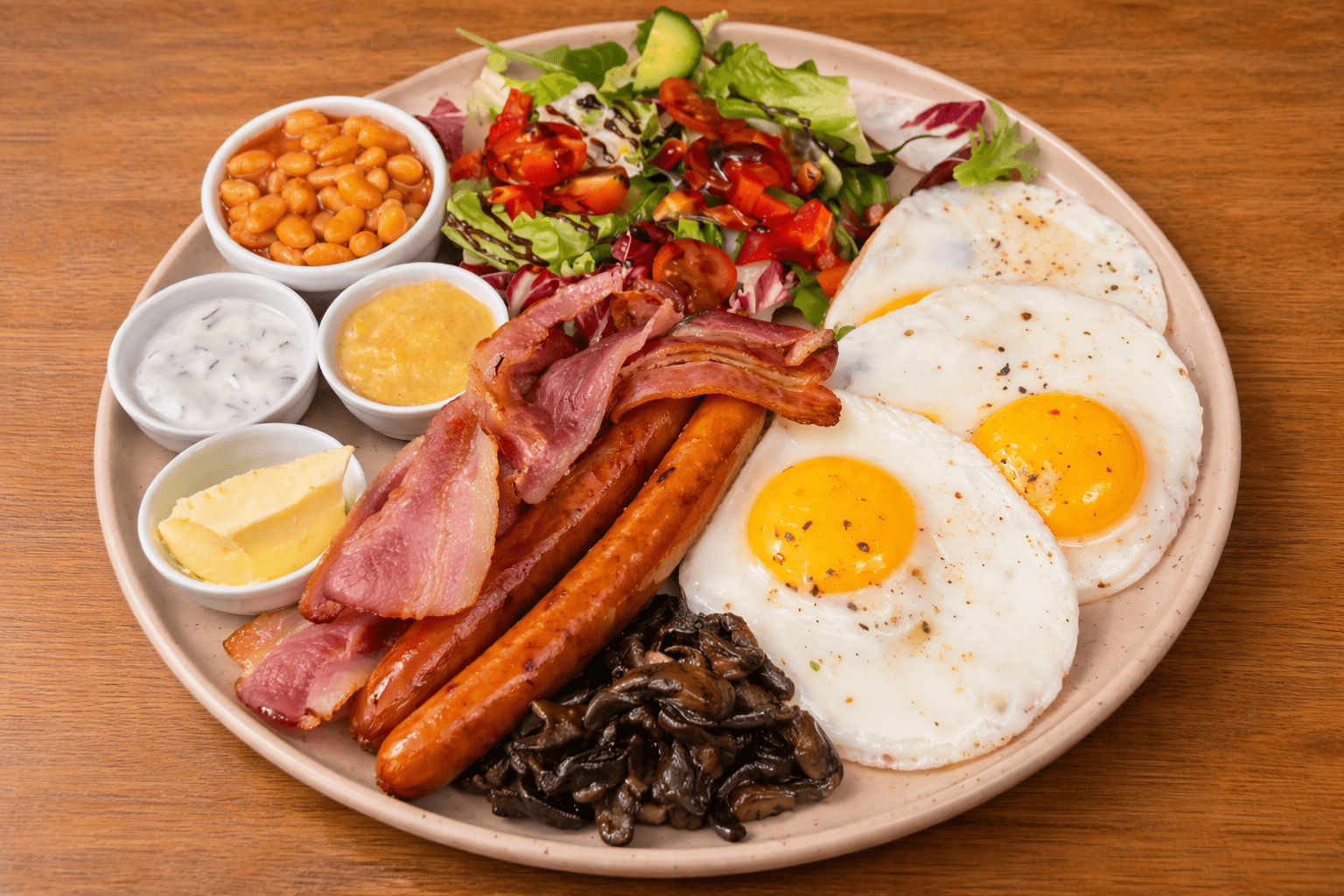
    Café Manon (Atelier Café), famous for its fresh bagels and English-style breakfasts
    What to do in Wrocław in 3 days

    FC Caffè, ideal for trying dishes such as shakshuka, hummus, and classic Polish breakfasts—perfect fuel for a full day of sightseeing
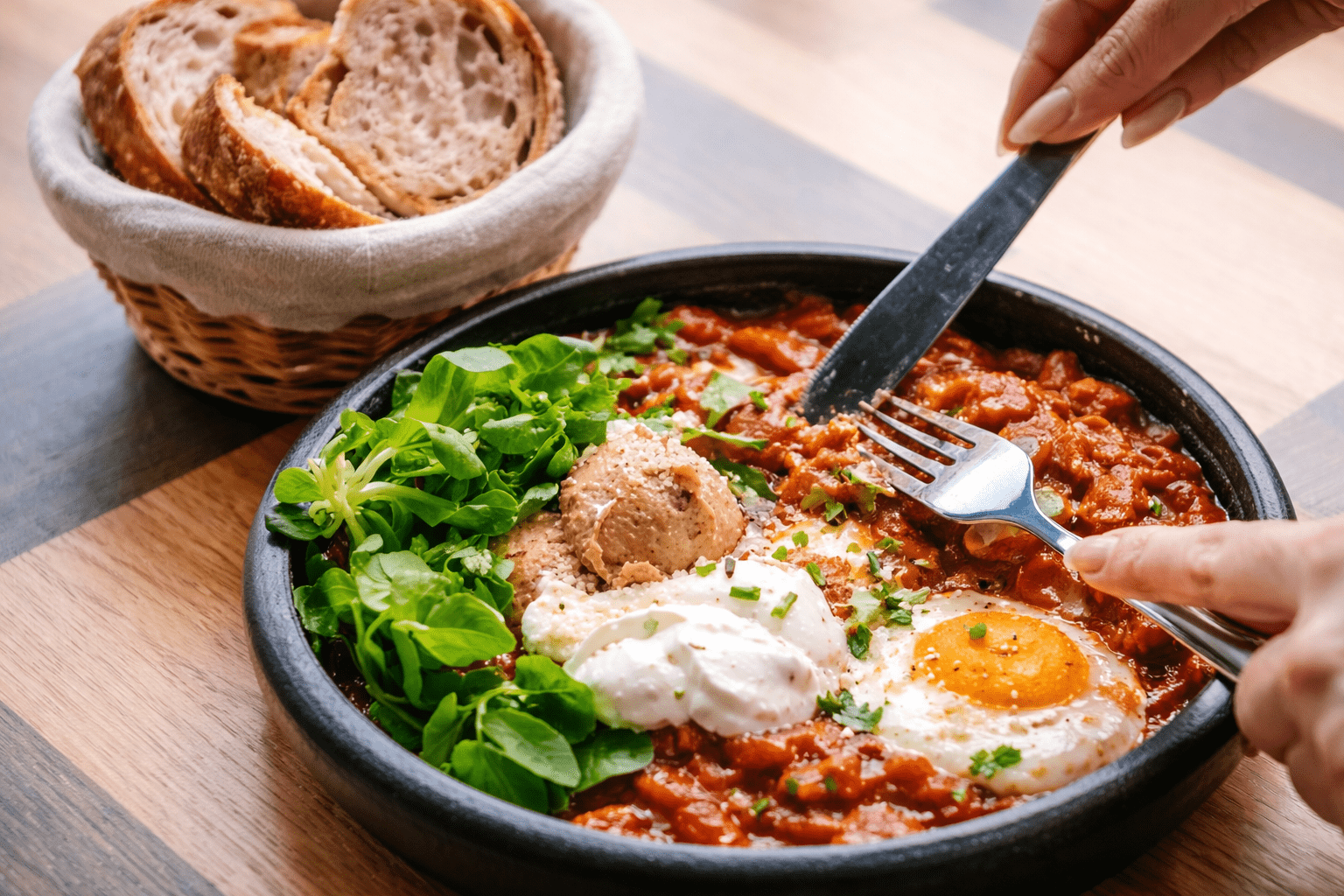
    What to do in Wrocław in 3 days


    Private Walking Tour in English

    After breakfast, the best way to begin the day is by joining a  walking tour in English, especially recommended if this is your first visit to Wrocław.

    Our free tours usually start at 10:30 a.m. from the Market Square (Rynek), in front of McDonald’s—a very easy meeting point to find. You can book in advance via this link.

    During the tour, you’ll discover the most important places in the historic center, including:

    • The Market Square (Rynek), one of the largest and most beautiful in Europe

    • The Gothic Town Hall

    • The famous Wrocław dwarfs and their meaning

    • The University of Wrocław

    • The river islands of the Oder River

    The tour usually ends between 12:30 and 1:00 p.m., leaving you well oriented and full of recommendations to continue exploring on your own.


    Lunch at a Milk Bar (Bar Mleczny)

    For lunch, a very authentic experience is visiting a bar mleczny (milk bar)—a historic Polish institution where you can eat homemade food at very affordable prices.

    Option 1 – Jacek i Agatka
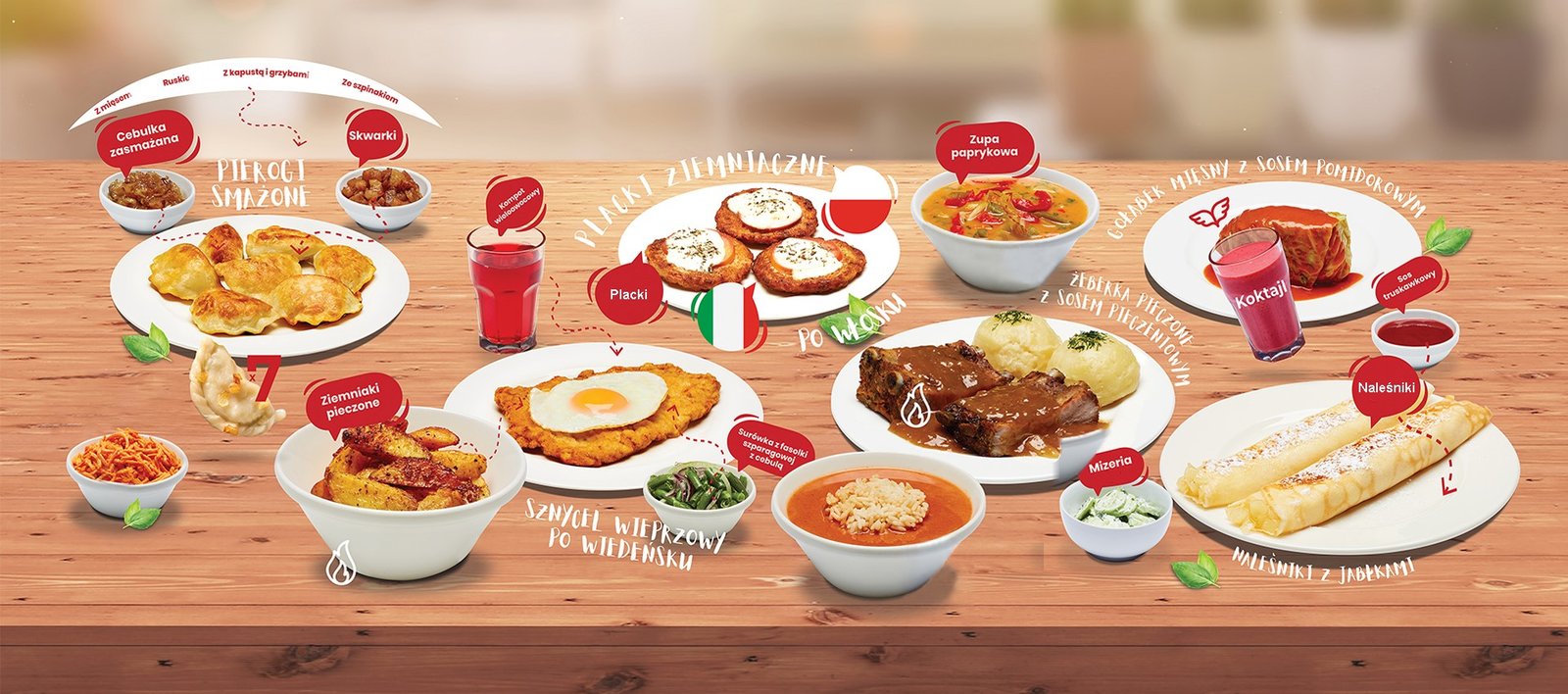
    Milk bar wroclaw

    Located very close to the Market Square. Here you can choose from various soups and traditional main dishes—ideal for a full lunch on a budget.

    Option 2 – Hala Targowa (Market Hall)

    In this historic market, you’ll find two very interesting options:

    Bar Karmazyn, specializing in traditional Polish cuisine. Don’t miss the schabowy (breaded pork cutlet), usually served with kompot, a homemade fruit drink.
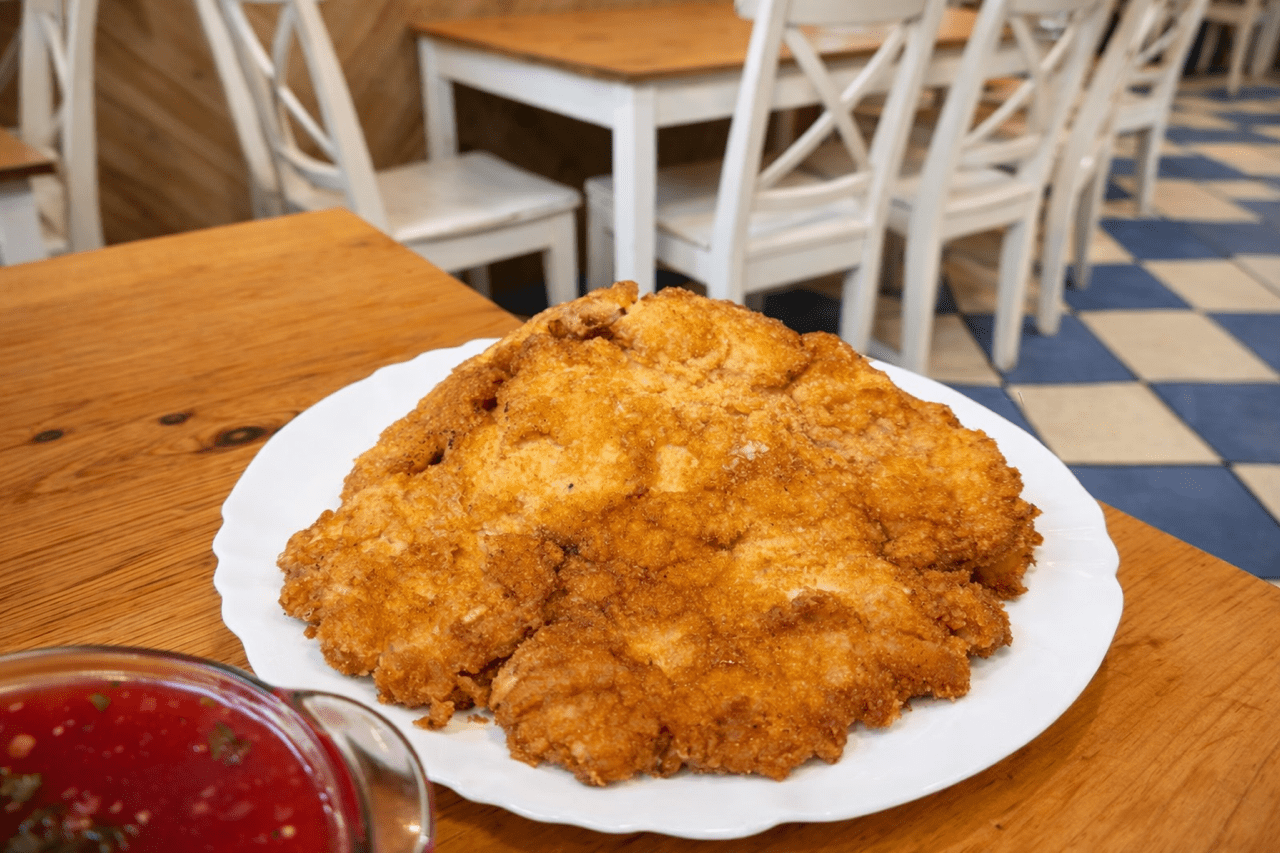
    What to Do in Wrocław in 3 Days

    Polskie Jadło, which combines good food with décor inspired by the communist era, creating a nostalgic and distinctive atmosphere.
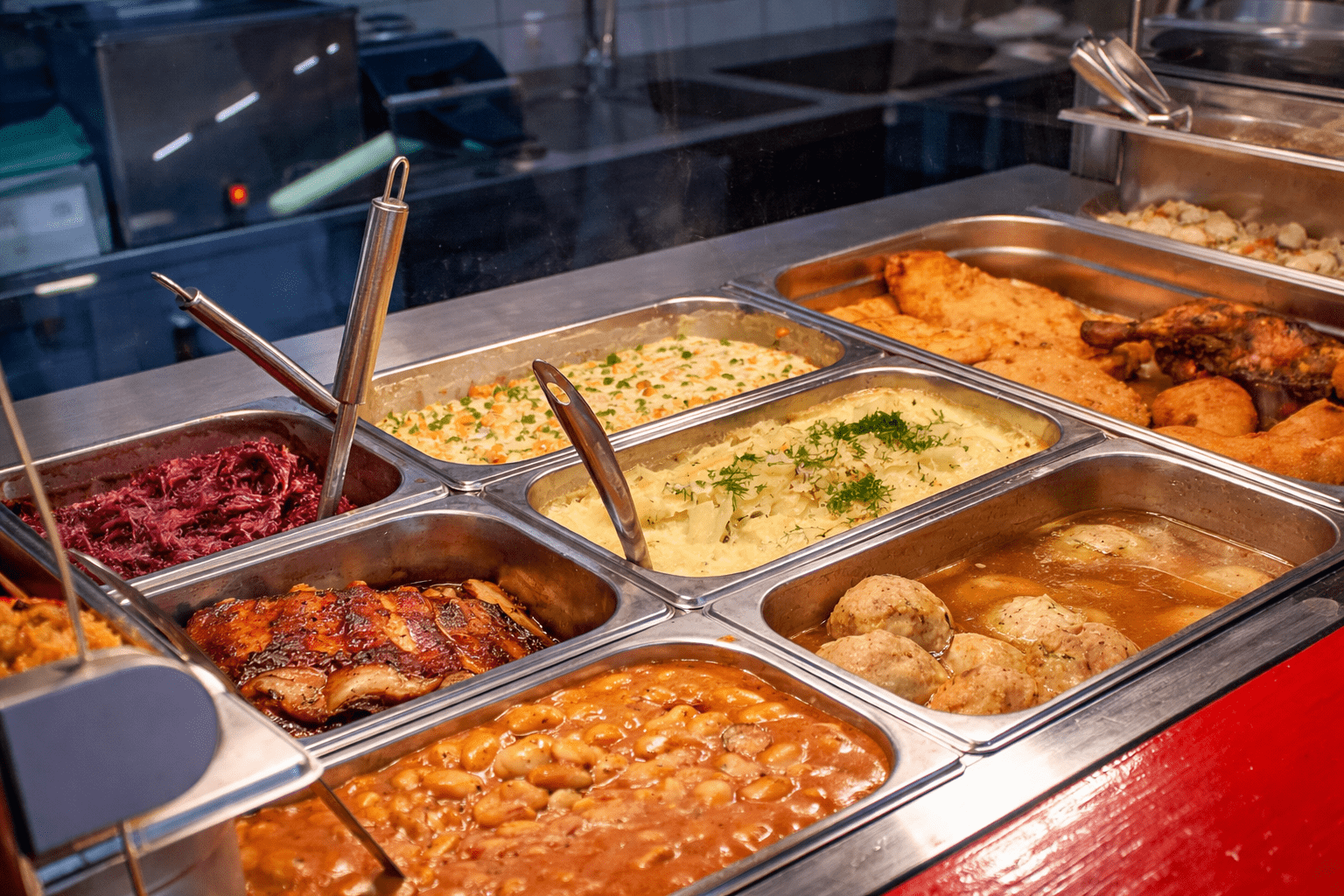
    What to do in Wroclaw in 3 days


    Cultural Afternoon: University of Wrocław
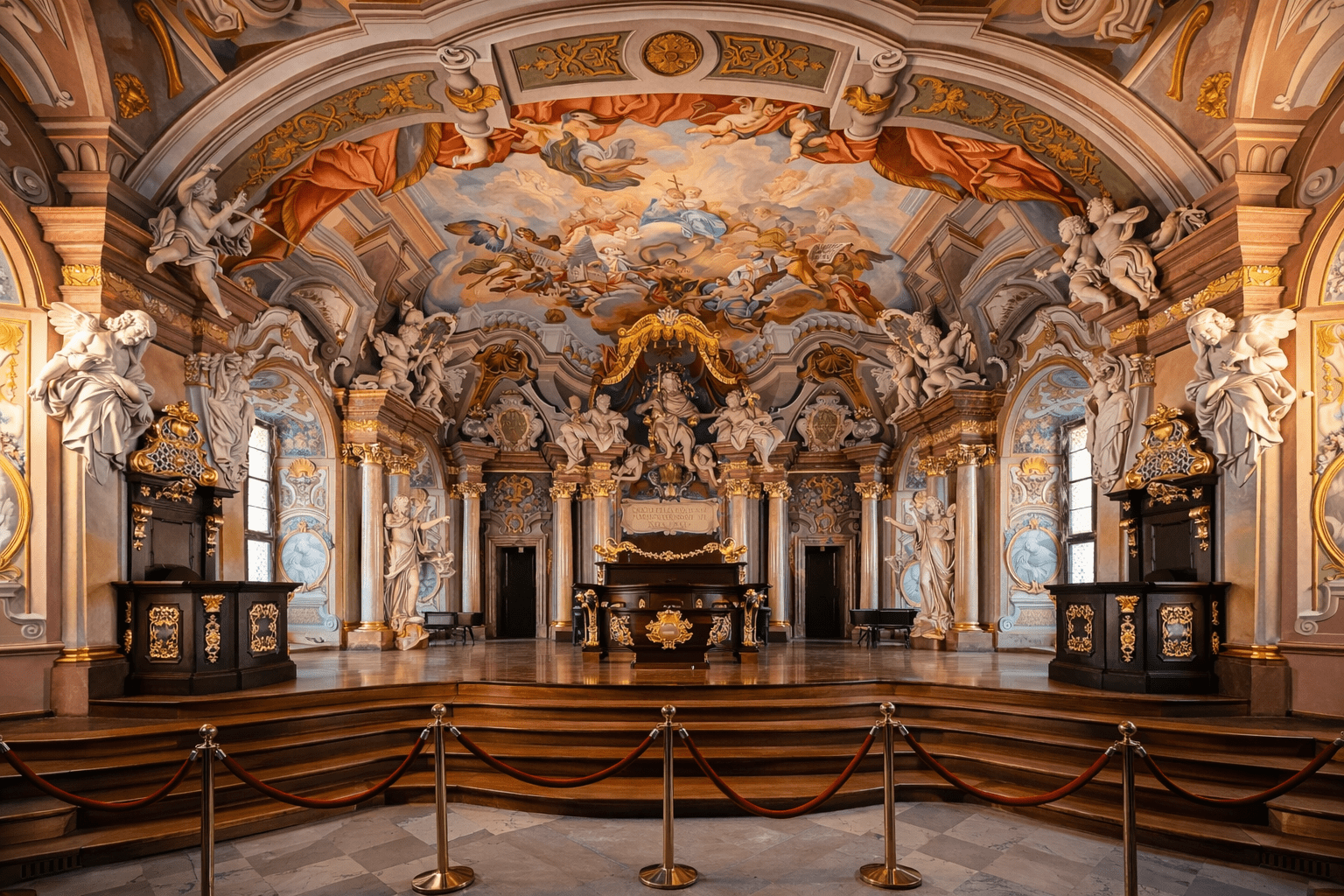
    what to do in Wroclaw - University tour

    In the afternoon, we recommend visiting one of the city’s most important monumental complexes: the historic interiors of the University of Wrocław, considered among the most beautiful Baroque interiors in Central Europe.

    During the visit, you’ll see:

    • Oratorium Marianum, the former university chapel

    • Aula Leopoldina, the jewel of university Baroque dedicated to Emperor Leopold I

    • Mathematical Tower, offering exceptional panoramic views of the city

    You can visit independently, but we recommend our guided tour of the university interiors, which includes entrance tickets and an audioguide in several languages—ideal for understanding the symbolism and history of the place.


    Sunset in Ostrów Tumski and the Lamplighter
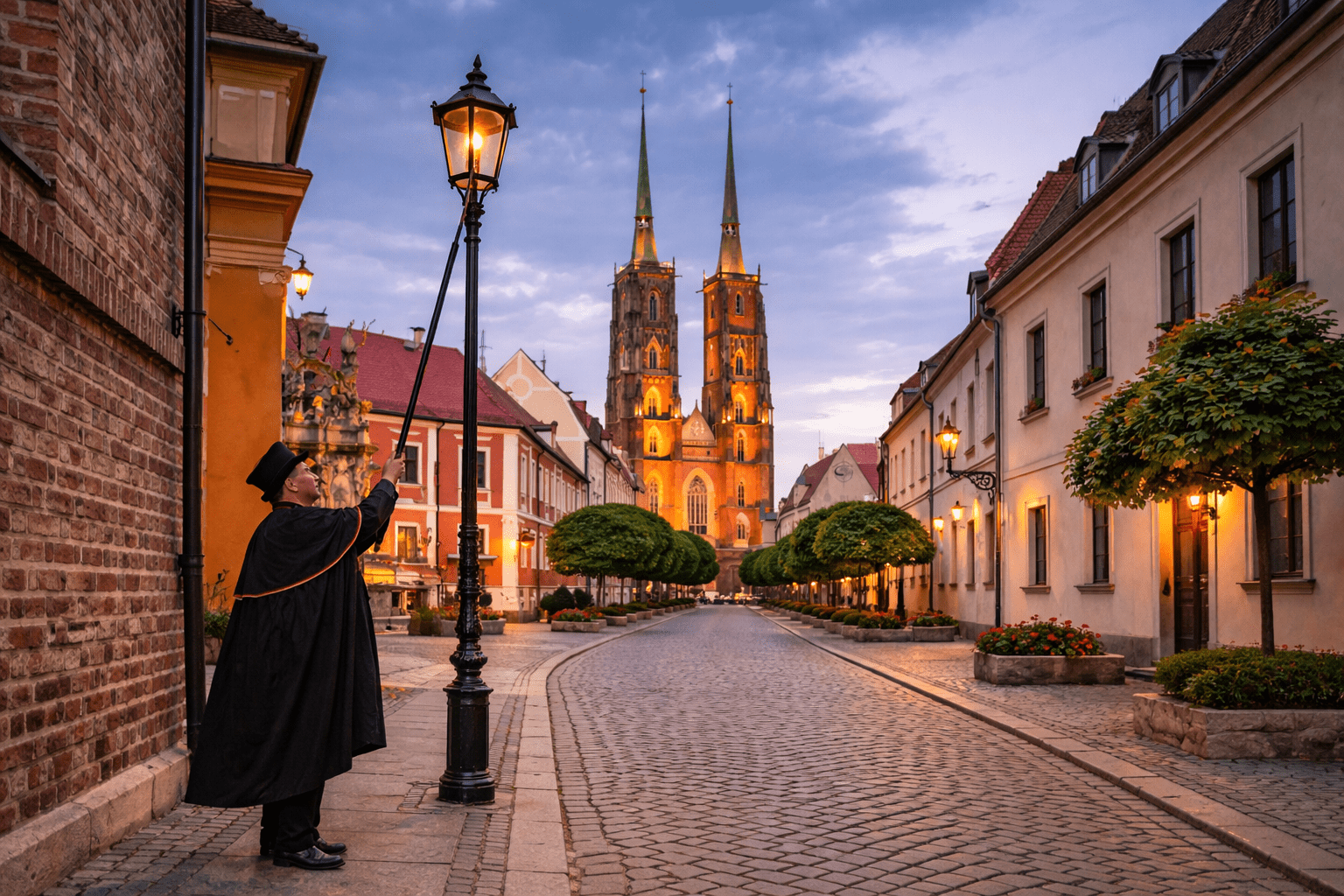
    what to do in Wroclaw lamp lighter

    At sunset, head to Ostrów Tumski, the oldest part of Wrocław. A very special tradition is preserved here: the manual lighting of gas street lamps.

    Every evening, a lamplighter dressed in a historic uniform lights over one hundred gas lamps, creating a magical and highly photogenic atmosphere.

    In summer, before nightfall, you can:

    • Take a leisurely walk around the area

    • Enjoy a drink on the terraces of Słodowa Island, one of the liveliest spots in the city

    • Visit places like Barbarka

    • Wait for the lamplighter, who appears about an hour before sunset


    Traditional Polish Dinner

    To end the first day, a great option is dining at a traditional Polish restaurant such as:

    Królestwo Ziemniaka (The Kingdom of the Potato)
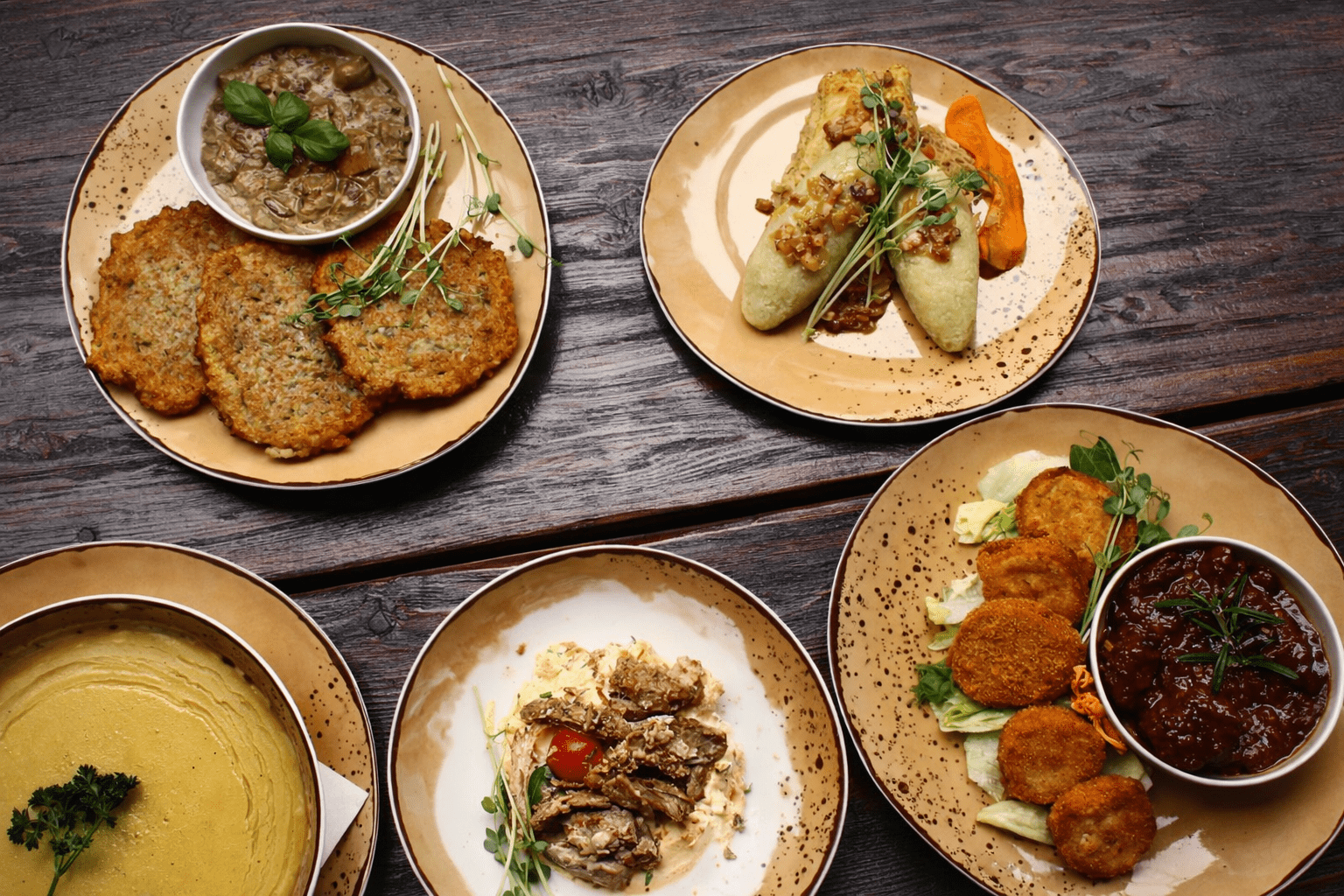
    where to eat in Wroclaw

    Królestwo Ziemniaka is one of those curious and authentic places that surprise even seasoned travelers. It is a themed restaurant entirely dedicated to the potato—one of the most important ingredients in traditional Polish cuisine.

    Almost everything here revolves around this humble yet versatile ingredient, prepared in creative and delicious ways. The must-try signature dish is kartacze: large potato dumplings stuffed with meat, typical of eastern Poland. They are served topped with crispy bacon and sautéed onions, accompanied by sauerkraut, which adds a perfect acidic contrast.

    For the more adventurous, the restaurant also offers potato juice, a traditional drink believed in folk medicine to have digestive and general health benefits. A truly local and unusual culinary experience.


    Restauracja Wrocławska
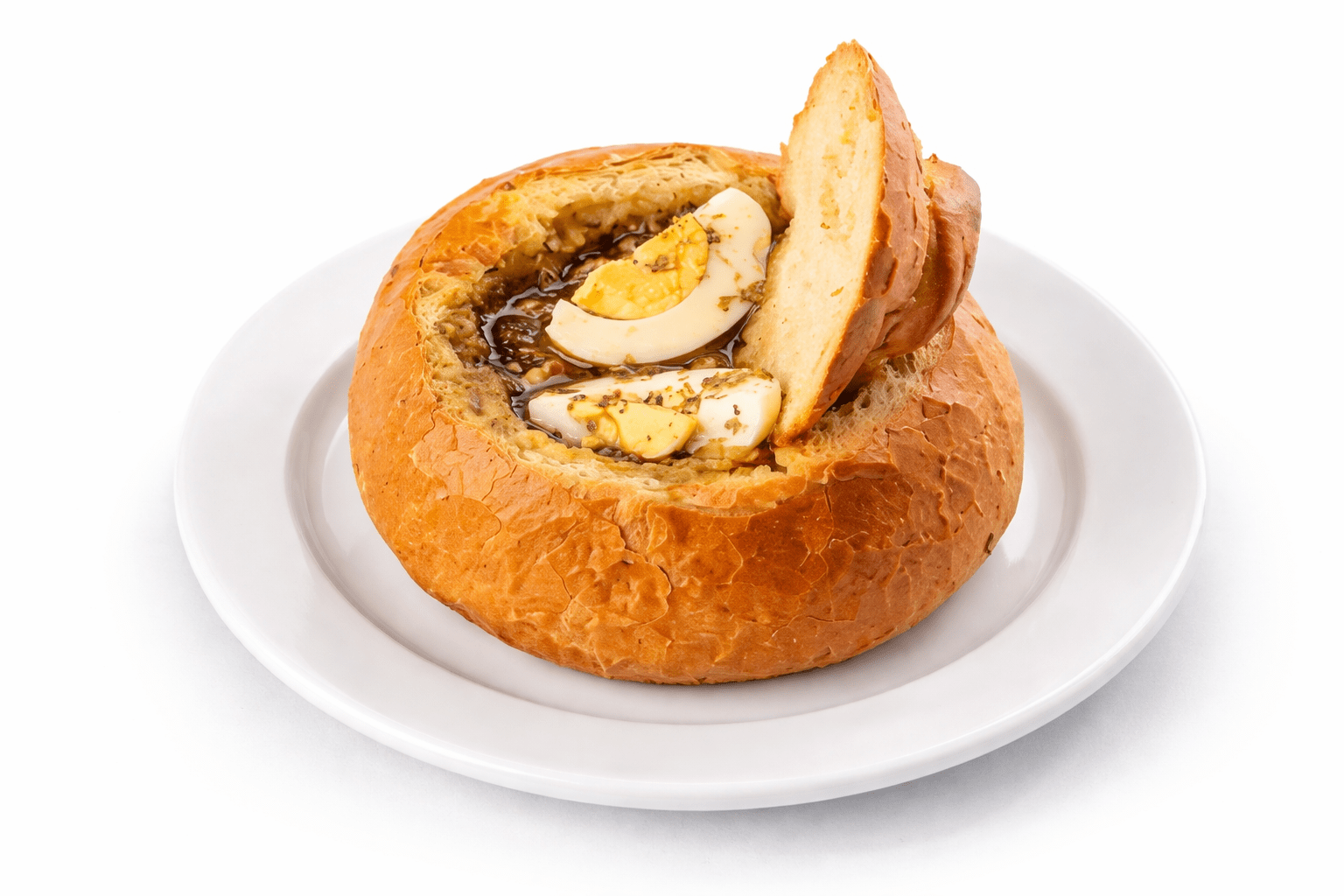
    Where to eat in Wroclaw

    Restauracja Wrocławska is an institution of traditional Polish cuisine in Wrocław, perfect for those who want to explore classic flavors of the region and the country in a cozy, authentic setting.

    The menu is extensive and varied, featuring traditional recipes. One absolute must is żurek, Poland’s most famous soup, served inside a crusty bread loaf with its characteristic slightly sour flavor. You’ll also find specialties such as duck, trout, and various cuts of meat prepared simply but very tastily.

    To finish the meal according to tradition, we recommend trying kminkówka, a strong local caraway liqueur that aids digestion and is part of the Polish dining ritual. A perfect ending to a hearty and authentic meal.


    Day 2 – Day Trips from Wrocław (Lower Silesia)

    The Lower Silesia region offers spectacular excursions combining nature, history, and architecture. These tours usually start early in the morning.

    If breakfast is not included at your accommodation, a good option is to eat in the former Jewish quarter, for example at POKO Bakery, located in a historic building.


    Option 1 – Adršpach: The Rock City
    wha to do in Wroclaw in 3 days

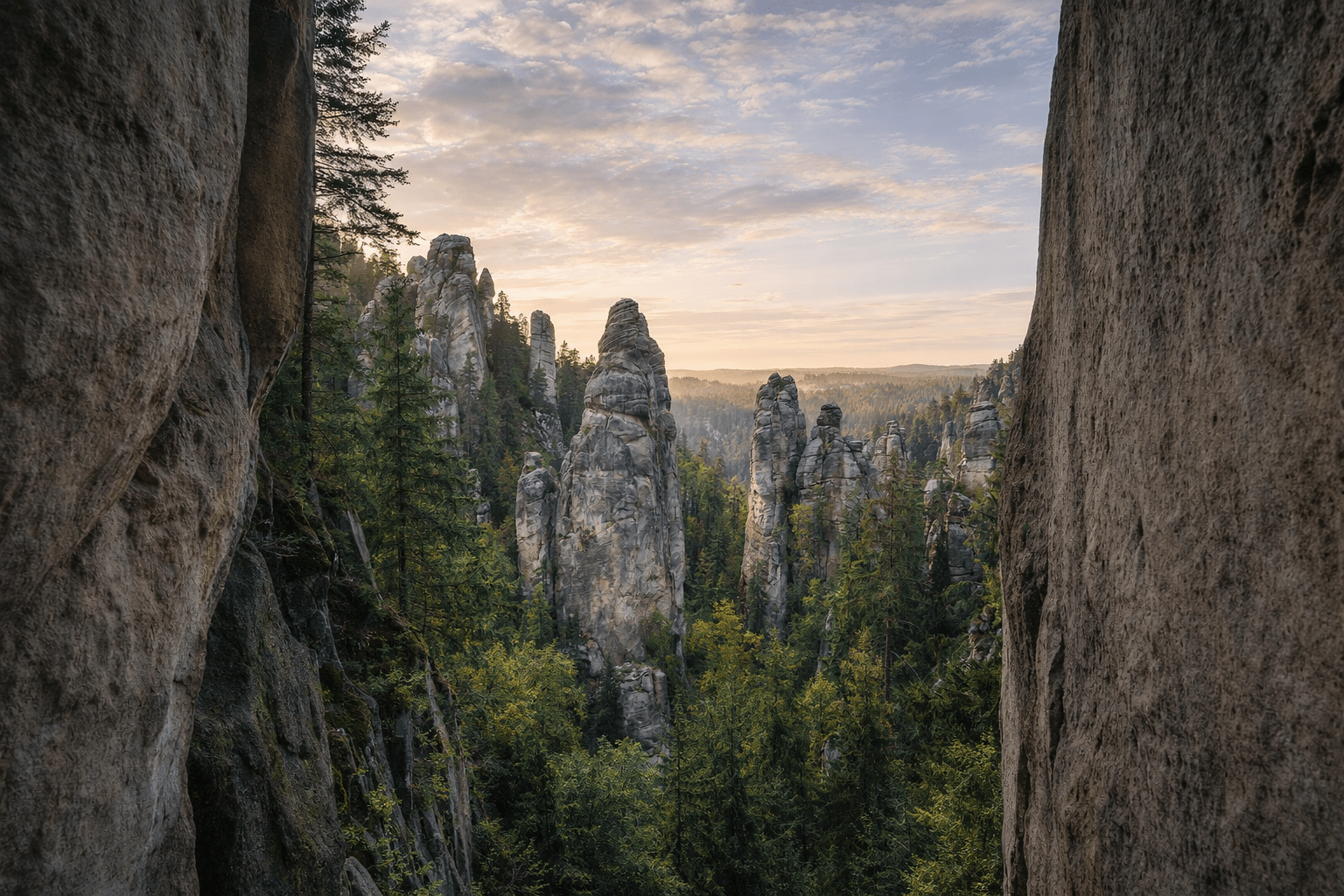
    An ideal excursion for nature lovers. The Adršpach Rock City, located in the Czech Republic just a few kilometers from the Polish border, is famous for its impressive rock formations that resemble fantasy landscapes.

    The visit includes:

    • A walk of approximately 2 hours

    • Gorges and walkways between rock formations

    • Spectacular scenery

    Comfortable footwear is recommended.
    Booking available here: (link)


    Option 2 – Książ Castle and the Peace Church of Świdnica
    Ksiaz Castle Tour from Wroclaw

    This excursion is perfect for lovers of history and architecture.

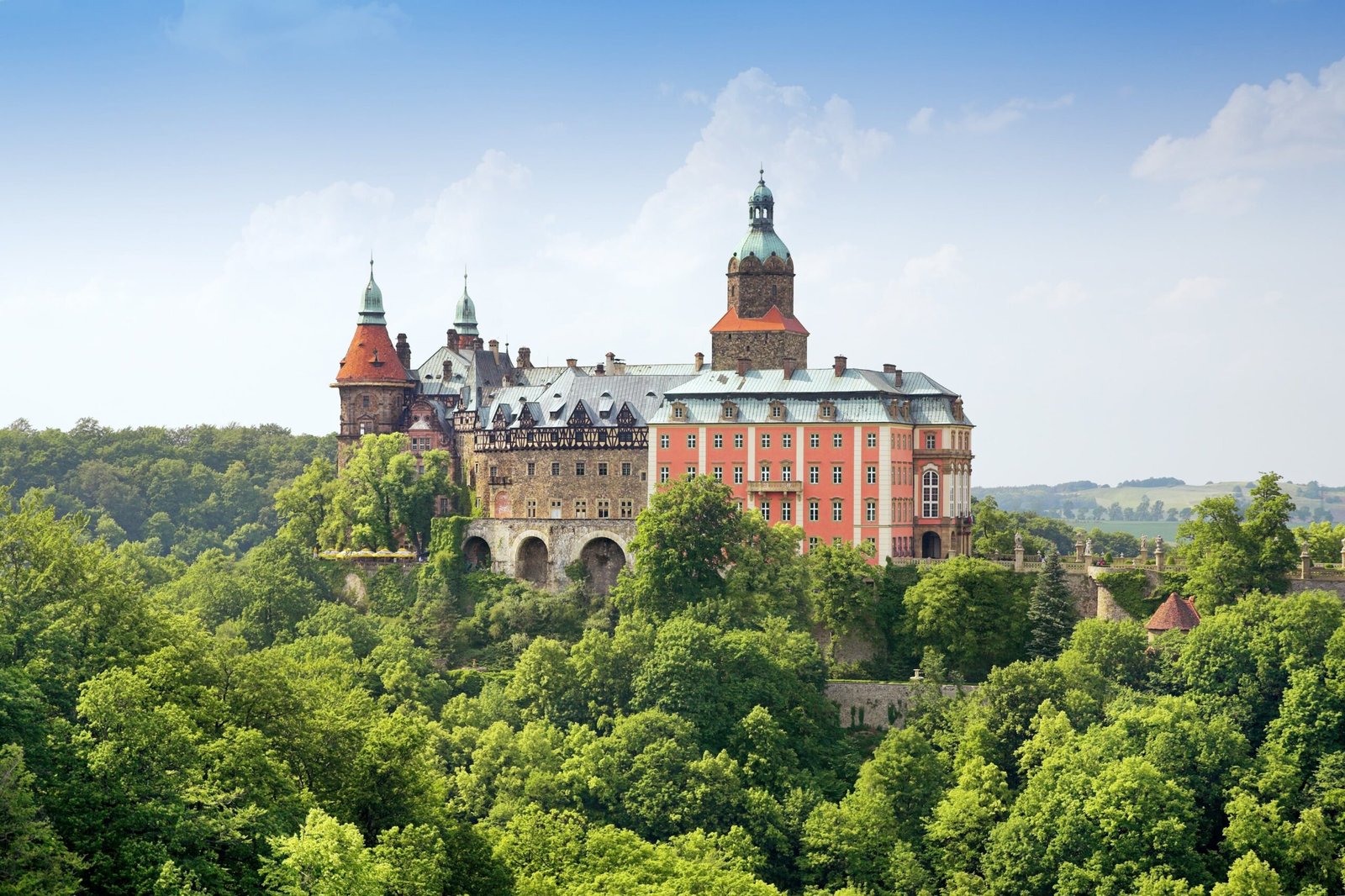
    Książ Castle is one of the largest castles in Poland and has a fascinating and dramatic history. It belonged to one of Germany’s wealthiest noble families and was confiscated by the Nazi regime during World War II. Beneath it, an extensive system of tunnels and bunkers was built as part of secret Third Reich projects.

    The visit includes:

    • Representative castle interiors

    • Terraces and gardens

    • Greenhouses with exotic plants

    • Underground tunnels with a Spanish audioguide

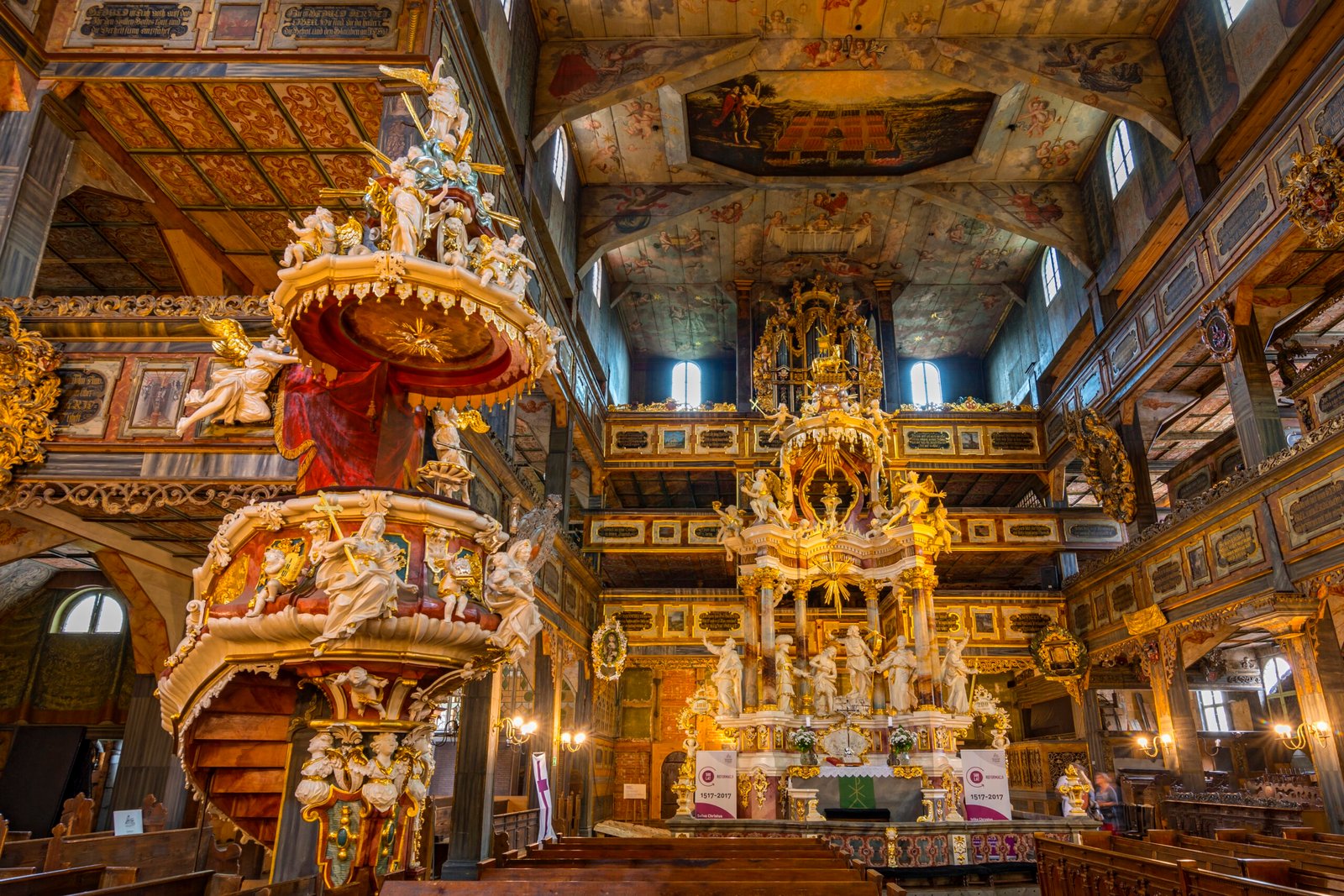
    After lunch, the tour continues to the Peace Church of Świdnica, a masterpiece of Baroque architecture built entirely of wood using timber-frame construction. Its interiors are stunning and have earned it UNESCO World Heritage status.
    Ksiaz Castle and Church of Peace in Swidnica Tour from Wroclaw

    You can find the booking link for this full-day Lower Silesia highlights tour here: (link)


    Neon Courtyard and the Four Denominations District

    After returning to Wrocław from the day trip, a great option for the afternoon is visiting the Neon Courtyard, located in the historic Four Denominations District in the former Jewish quarter.

    This open-air space displays original neon signs from the communist era that once adorned cinemas, shops, and public buildings. Today, they form a unique exhibition combining recent history, graphic design, and urban photography—especially striking at dusk.

    The Four Denominations District is a symbolic place where, for centuries, different religious communities coexisted peacefully: Catholics, Lutherans, Orthodox Christians, and Jews. Walking through this area helps you better understand Wrocław’s long-standing cultural and religious diversity.

    Culture lovers can also attend concerts and events at the White Stork Synagogue, especially during summer or Jewish holidays.


    Day 3 – Art, Viewpoints, and Final Experiences in Wrocław

    Depending on your departure time, the third day can be used to explore some of the city’s most iconic cultural sites and say goodbye to Wrocław with unforgettable views.


    Panorama of Racławice
    what to do in Wroclaw

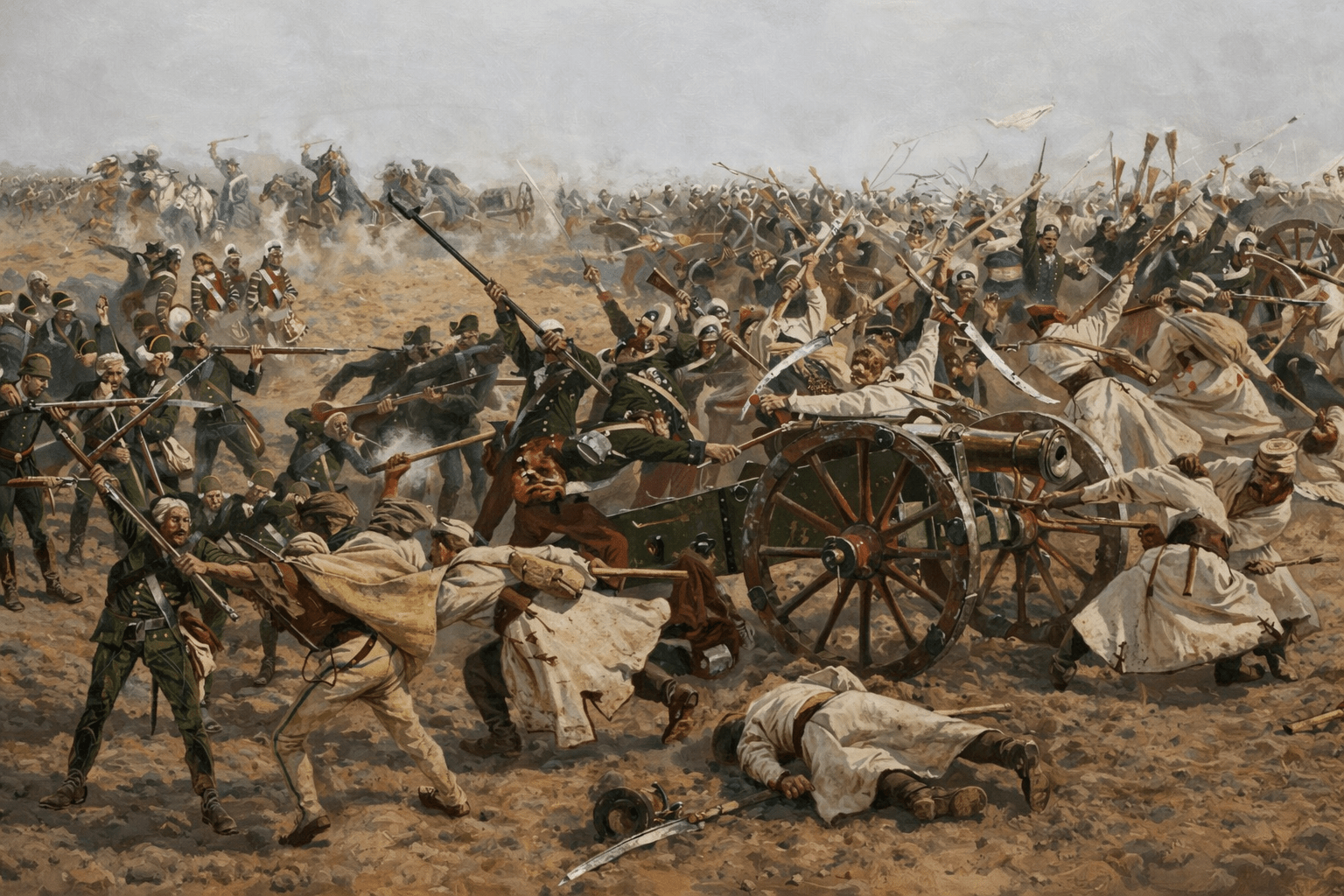
    One of the most spectacular and unique attractions in the city is the Panorama of Racławice, a monumental artwork found nowhere else in Poland.

    It is a massive panoramic painting created in 1894 to commemorate the centenary of the Polish victory over the Russian army at the Battle of Racławice. This event was highly symbolic for Polish national identity and was led by Tadeusz Kościuszko, a national hero who led the uprising against the Russian Empire in 1794.

    The canvas covers 1,800 m² and was painted by eleven artists over approximately nine months. Combined with scenic elements and perspective techniques, it creates an impressive immersive experience.

    The visit is well organized:

    • Entry every 30 minutes

    • Groups of around 80 people

    • Audioguides available in several languages, including Spanish

    It is recommended to check availability on the official website or buy tickets in advance, especially during high season.

    Important note:
    The same ticket also allows entry to the National Museum of Wrocław, located just across the street—an excellent opportunity to extend the cultural experience.

    Highlights of the museum include:

    • An outstanding collection of medieval art, especially polychrome wooden sculptures

    • An important Baroque painting collection, including works by Michael Willmann, known as the “Rembrandt of Silesia”

    • A painting attributed to Francisco de Zurbarán, one of the collection’s greatest treasures


    Try a Traditional Polish Dessert: Pączek
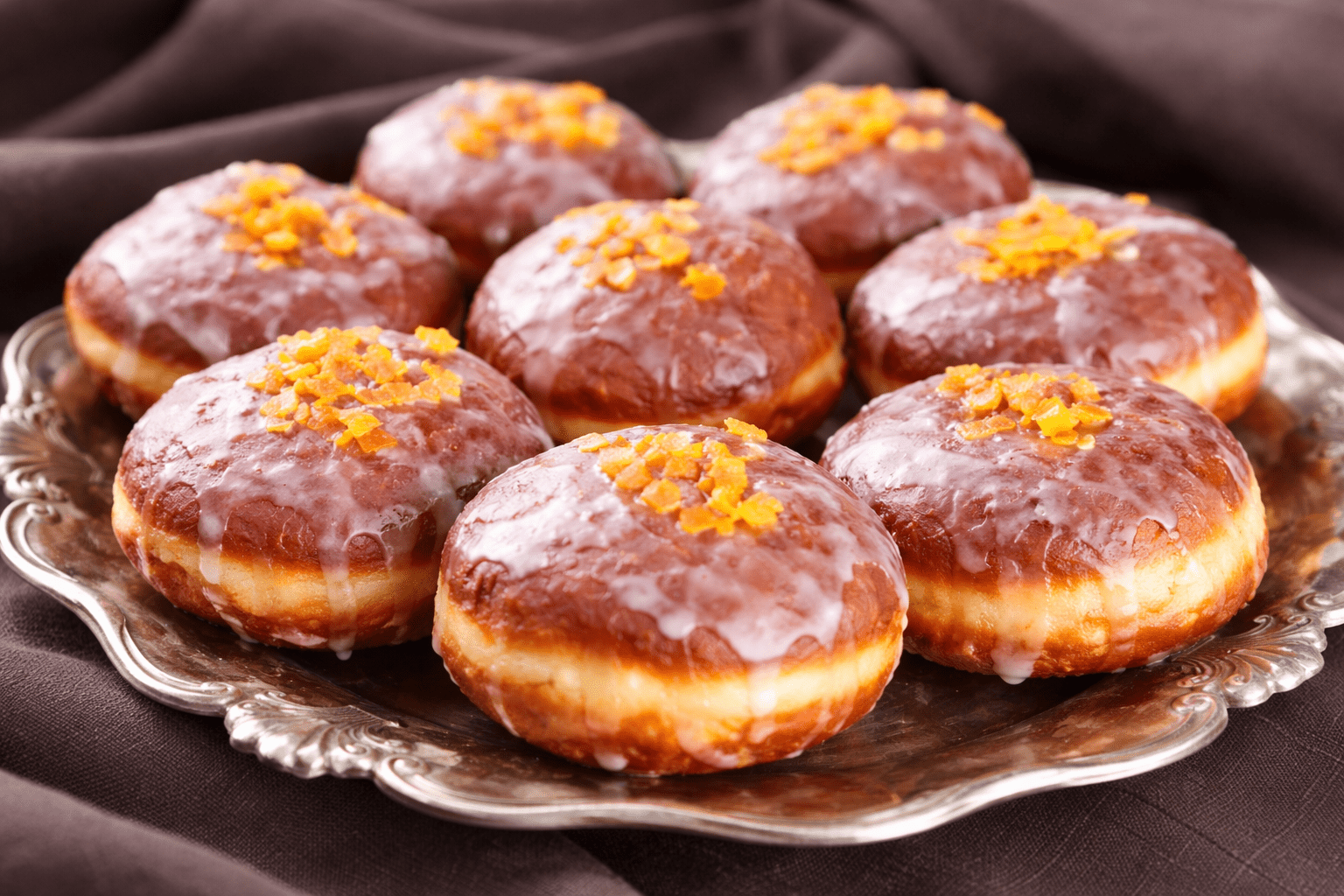
    polish doughnuts

    No visit to Poland is complete without trying a pączek, one of the country’s most beloved sweets. It is a type of filled doughnut, traditionally with rose jam, although today many variations exist—chocolate, Nutella, or Raffaello-style cream.

    Some of the best places to try pączki in Wrocław are:


    Historic Center Viewpoints

    To say goodbye to the city with an unforgettable view, it’s worth climbing one of the two most famous viewpoints in the historic center:

    • St. Mary Magdalene Church, where you can cross the suspension bridge connecting the two Gothic towers

    • St. Elizabeth’s Church Tower, offering one of the widest panoramic views of Wrocław

    Both require climbing over 250 steps, but the effort is richly rewarded with views over rooftops, squares, and the Oder River.


    Final Summary

    This has been a suggested itinerary for what to do in Wrocław in 3 days. Naturally, it’s only a proposal and can be adapted depending on personal interests, travel pace, or length of stay.

    However, the ideal starting point for any visit remains the walking tour in English through Wrocław’s historic center, as it helps you orient yourself, understand the city, and decide what to explore next.

    We especially recommend:

    • Visiting the interiors of the University of Wrocław, with its famous Aula Leopoldina

    • Dedicating at least one day to discovering the Lower Silesia region, which offers exceptional landscapes and monuments

    We hope this guide has been helpful and warmly invite you to discover the city.

    See you in Wrocław.
  • 20 curious facts about Germany (Part Two)

    20 curious facts about Germany (Part Two)

    This is the second part of our article 20 fun facts about Germany (Part One).

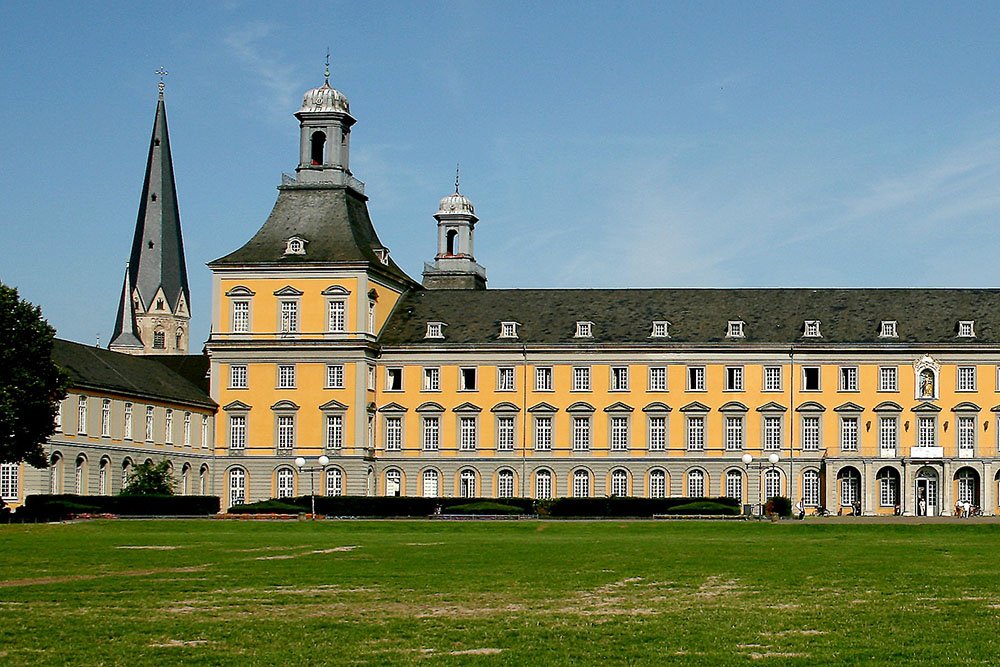
    11. Universities

    20 curiosidades Alemania Universidad de Bonn

    Germany’s university system offers a tremendously wide range of 426 public (306) and 120 private (120) institutions of the highest standard throughout the country, and not only in the large urban centers. For example, the Ruprecht Karls University in Heidelberg is the oldest university in the country and a leading institution in the fields of philosophy and law; the University of Cologne is the second oldest university in the country and is currently recognized as the one with the highest enrollment in the country (approx. 50,000); in Munich, the University of Applied Sciences is the second oldest university in the country and is currently recognized as the one with the highest enrollment in the country (approx. 50,000); in Munich, the University of Applied Sciences is the second oldest university in the country and is currently recognized as the one with the highest enrollment in the country (approx. 50,000). In Munich, the Technical University is the most prestigious in Germany and one of the leading universities in Europe and the world, as is the Ludwig-Maximilians-University with 34 Nobel Prize winners; The Humboldt University of Berlin is also recognized for its 29 Nobel Prize winners, the FOM or University of Economics and Management of Essen is recognized for its impact on applied sciences and for being the second largest concentration of students in Germany, which might catch your attention as the latter is a private university.

    The German higher education system actively promotes its institutions, the private ones through funding from private sponsors and scholarships for their German and foreign students. The state universities, in addition to providing direct funding to their students, promote their cultural and educational integration abroad through the DAAD (German Academic Exchange Service). So if you are interested (no matter your nationality!) in studying in Germany , you should of course consult the website of this service, and you will see that there are no limitations to study in this country… not even the language!


    12. Castles and…their relationship with Disney

    20 curiosidades Alemania castillo / 20 curious facts about Germany (Part Two)

    Let us remember that the unification of the German territory only dates back to the 19th century, which explains the existence until that time of different kingdoms, principalities (electors and palatinates), duchies, marquisates, margravates… an enormous number of nobility! that originates mainly in the remote epoch of the Holy Roman-Germanic Empire and that coexisted in a parallel way until the unification of the German Empire that gives primacy to the Prussian Kingdom with headquarters in the city of Berlin, in the hands of the dynasty of the Hohenzollern (the same of King Frederick II “The Great”).
    You will understand that with all these “reigns” their rulers needed palaces (Palast) where to live and castles or fortresses (Schloss or Burg) to defend themselves or as a show of power and, that is why in the vast German territory today we recognize more than 2100 of these buildings, a Route of the Castles (that goes from Frankfurt to Munich) and, of course, two castles that we recognize in the current image of Disney? Remember that a few paragraphs back we told you that many of the Grimm Brothers’ stories inspire today’s Disney stories! , Hence also the castles of the Black Forest (Schwarzwald): Neuschwanstein Schloss (near Munich) and the Hohenzollern (near Stuttgart) are their main image today. Don’t believe me, it’s just a matter of comparing their photos.
    *A fact we bring you: the Spanish translation of the concepts of palace, castle or fortress makes no distinction, but in German or English these concepts differ, since a palace is traditionally a place of residence of the nobility and a castle a place of defense or fortress of power.
    defense or fortress of power.


    13. Pet control and registration

    20 curiosidades Alemania mascotas

    In Germany having a pet implies a great responsibility, expense and bureaucracy, the rental contracts of the houses expressly regulate the animals that can be kept at home and, in general (not unanimously) allow the keeping of dogs or cats, reason why we will focus on our beloved dogs to explain its operation, since the keeping of cats only requires filling a state registration… naturally the rules between each federated state also differ, but in general they are of the form that we will explain.

    To have a puppy to accompany your days, you must take into account that you must enter a bureaucratic registration system of each federal state so that your pet has a patent, which must be visible at all times (basically its ID for the state) and also, believe it or not, it must attend classes! (yes, your dog!) and not only the owner but in some cases it is also required together, depending on the breed and its size. Also as an owner you must pay taxes, which in general per year are around 200 Euros. Also, regardless of the time of the year, you must walk them daily, at least three times a year, hence all public parks have a playground just for dogs and, in many cases, you must even register your visit in advance according to the level of occupancy.

    You will also understand that with these regulations it is very difficult to find abandoned animals or animals roaming the streets, which is why families who want to have a pet, in general, must go through a long process for adoption (from foreign countries) or purchase in the regulated kennels of the country. We told you, a whole bureaucracy…


    14. Bureaucracy and Deutsche Post.


    With regard to the control of pet ownership, it is a very appropriate time to talk about a topic that is still widespread today: German bureaucracy, and to find out how much reality and how much myth there is about it. Let’s see…
    Let’s start by saying that this myth is the terror of foreigners who come to live in this country, we also see a tremendously serious and structured society that leads us only to increase this fear and much of what we have heard is really true, but do not be afraid, nothing is so terrible. Indeed, institutions at the local, federal and national level that usually structure a poorly understandable communication (not only because of the language, which it already is) through local mail, and we are not referring to e-mail, we are referring precisely to the Deutsche Post mail, incline us to agree with this topic.

    In this area, we must understand that the German Post is one of the most prestigious institutions today, created already in times of German unification (Deutsche Reichspost) has become the current Deutsche Post, a model entity to the world that remains tremendously alive, since in this country today more than 60 million letters are sent daily internally, Furthermore, this company – reformed in 1996 as such – has implemented parcel delivery services through DHL International (nationally and internationally), making it today one of the world’s largest letter and amendment companies, and with all its past and bureaucratic tradition, it is clearly an export model.


    15. Taxes

    20 curiosidades Alemania impuestos taxes

    Germany is structured as a Social Welfare State, that is why the payment of taxes from income, goods and large capitals are the basis of its fiscal coffers and the policies implemented by the governments, not paying them can bring you quite serious sanctions and learning to do it correctly is difficult even for the Germans themselves. Here is a little guide.

    All residents in Germany must have a Tax Identification Number (Steuer Identifikationsnummer/Steuer ID) which you receive immediately after registering at your local town hall (Bürgeramt) and according to this you will be charged the following taxes:

    – Religious tax (Kirchensteuer) close to 1 or 2% on the income of each person, depending on the faith that each person professes must contribute to their religious cult for the maintenance for example of buildings, if you do not profess any religion you must declare it to the State so that this tax is not charged. Remember that this country since the days of the Prussian Kingdom is the center of religious tolerance, your only obligation is to be responsible for the taxation of the religion you profess.
    – Tax for Public Radio and TV (Rundfunkbeiträge) of 18.36 Euros per dwelling, in order to avoid political interference in German public radio and television.
    – Solidarity Tax (Solidaritätzuschlag) of 5% on the income of each person, arose from the German reunification (of which we have already spoken extensively in the previous sections), where the inhabitants of the former western zone or of the Federal Republic of Germany , more prosperous at that time, had to contribute for the reconstruction and the new services of the east or the occupation zone of the former GDR (Soviet side). Today only about 10% of the inhabitants of this area still actually pay it, as this tax mostly ceased to be paid in January 2021.
    – German social security system (Sozialversicherungssystem), which is divided into various health and social insurances on the income of each person, from the following person:
    – Health (Krankenversicherung) of 15.6% or 15.7%.
    – Retirement (Retenversicherung) of 18.6%.
    – Unemployment (Arbeitlosenversicherung) of 2.4%.
    – Welfare insurance (Pflegeversicherung) of 3.05% or 3.3% (if you have offspring).
    – Accident insurance (Unfallversicherung), variable according to industry and trade, which is paid by your employer or your private insurer.
    – Income tax (Lohnsteuer), calculated on the basis of 6 different tax classes. This tax is progressive and is one of the most complex to calculate, so we will not try to explain this world in this section.
    – Dog ownership tax (Hundesteuer), we already talked to you in the previous section on this point and you know that the sum is around 200 Euros per year.
    – Direct (VAT) and indirect (USt or MwSt) consumption tax.
    Whatever your modality of work in Germany , you will finally be obliged to make an income tax return (Steuererklärung) in your respective Finanzamt. So welcome to the world of German taxes!


    16. The use of cash


    Speaking of money, it is a good time to tell you about one of the strangest traditions of the use of money, because you can imagine that being Germany the economic and industrial power that it is and with the amount of financial companies and international banks, the use of bank and credit cards is tremendously common and propagated, however the reality tells us that many daily actions and small and medium businesses almost work only with cash and Germans pay to pay that way (just as you read it!).

    There are many reasons to stay loyal to cash, but the main ones are related to the control and use of private and personal data that comes from the use of bank cards, but it is not only fear of the private ones, but also of the state control that it can lead to. Also, the banking and financial crises after World War I and World War II respectively, have broken the confidence of Germans in these institutions, who often saw their money deposited in them affected. Finally, another more practical reason attributed to the widespread use of cash, has to do with the control of our finances, you can imagine that a society as structured as the German one needs to have complete control over the monthly expenses (… yes, paying taxes too!).

    If you are wondering if the Covid-19 Pandemic influenced in any way the way Germans pay, the answer is yes, many of the businesses born in the last time accept cards as a form of payment and others in fact do not even accept cash, only cards, although it may seem paradoxical to you we see some businesses with this operation.
    So you know, if you come to Germany, you should come prepared with all the cash you have or manage to change.

    17. Football: a National treasure


    Speaking of money, it is a good time to tell you about one of the strangest traditions of the use of money, because you can imagine that being Germany the economic and industrial power that it is and with the amount of financial companies and international banks, the use of bank and credit cards is tremendously common and propagated, however the reality tells us that many daily actions and small and medium businesses almost work only with cash and Germans pay to pay that way (just as you read it!).

    There are many reasons to stay loyal to cash, but the main ones are related to the control and use of private and personal data that comes from the use of bank cards, but it is not only fear of the private ones, but also of the state control that it can lead to. Also, the banking and financial crises after World War I and World War II respectively, have broken the confidence of Germans in these institutions, who often saw their money deposited in them affected. Finally, another more practical reason attributed to the widespread use of cash, has to do with the control of our finances, you can imagine that a society as structured as the German one needs to have complete control over the monthly expenses (… yes, paying taxes too!).

    If you are wondering if the Covid-19 Pandemic influenced in any way the way Germans pay, the answer is yes, many of the businesses born in the last time accept cards as a form of payment and others in fact do not even accept cash, only cards, although it may seem paradoxical to you we see some businesses with this operation.
    So you know, if you come to Germany, you should come prepared with all the cash you have or manage to change.

    18. Hobbies


    Germans are known for their outdoor life, which makes sense if you think that winters days are hard and darkness extends for almost 6 months, hence the few sunny days in spring, summer and autumn are perfect occasions for everyone to get out of the house.

    The public life of the Germans during the good weather days makes everybody crowding the streets and parks, you will see everybody enjoying these spaces and freely drinking beers and other liquors, because yes: in this country it is also allowed to drink in public (perfect or better?). Also, with more time, the Germans leave the cities and fill the wonderful forests to practice hiking, a very widespread hobby in society and, which has wonderful routes of different technical levels, accommodations suitable for all prices, fantastic landscapes full of variety and a network of excellently marked trails, which is why the Germans take out their best equipment.

    Likewise, to enjoy all these places you can always count on the German public transportation system, one of the strengths of the state lies precisely in this well-connected network that allows us to reach almost all the places we propose. So, it’s time to plan, get out your travel guides.


    19. Recycling


    Germany is one of the countries at the forefront of the recycling system in Europe and the world, and almost all Germans take waste control and separation seriously at home (some skeptics do not believe that waste processing is kept in the chain), more or less as follows:
    – Public and household garbage cans refer to the way waste is sorted: a green or brown bin for organic waste, a yellow bin for plastic, a blue bin for cardboard and a black one for unsortable rest. Just be careful not to overfill them, if they are beyond their capacity, the cleaning service will not take them.
    – Glass is recycled by sorting it into colors: white, brown or green (the latter also receives the bluish and yellowish colored ones).
    – The plastic and glass containers are returnable, so in our purchase a value is added for it, then in your next purchase you go with these containers and you will receive the same value charged (Pfand)… that is why you find so many containers in the German houses (they keep them until the next purchase in the supermarket).
    – Incidentally, a whole informal economy is generated around the collection of containers on the street, which is why they are never thrown directly into the deposits and many homeless people take advantage of this to generate money. This also helps to keep the streets clean.
    – It is also not uncommon to find in supermarkets and drugstores deposits for more hazardous waste (such as batteries, batteries or light bulbs for example).
    – Collection and recycling points: large or bulky furniture is left in these places, if it is in good condition other neighbors can take it, otherwise the garbage service will pick it up sometime during the week.
    – Also, in these recycling points in the street are often left products such as clothing or other goods no longer occupied at home “To give away”, it is not at all frowned upon to collect and review, it is part of the culture of recycling.


    20. Home life


    Finally, the German home life is something more unknown, as you will intuit, because of everything we have told you about the society, that it is not easy to acquire an invitation to visit a German house, but as soon as you do it you have to keep in mind that the first thing you should do when you enter is to take off your shoes and leave them in the corridor, it is widespread in Germany the idea of dressing relaxed and in comfort. Then you will find three more rooms, the main room (which can be a bedroom and the favorite German furniture: sofa), bathroom and kitchen, the latter the main site of social gatherings of families, also regardless of whether you live in a building or house will have a basement (Kellar).

    Also, the houses usually have a number of decorative plants and spaces of different shapes and sizes of candles and candelabras.
    Germans are also known for their passion for gardening, so even if their houses do not have space for gardens and plantations, you will find huge fields of small gardens in parks, forests, or on the shores of lakes and rivers, where the famous Kleingärten, usually have a small hut and all the cultivation of flowers or plants they want. If you have a house, from the time of the war you should have in your garden fruit trees and, in specific 3 Walnut trees (war survival form).


    Summary:

    We have given you a series of unknown, anecdotal and interesting facts about German society, so you can learn how to relate and visit the country, which as you can see is much more than bureaucracy and natural beauty: Germany is an avant-garde, progressive and very open to welcome everyone. So with our tours, we invite you to get to know and enjoy this country, where we will take you much deeper into the culture.

  • 10 best places to eat in Berlin

    10 best places to eat in Berlin

    10 best places to eat in Berlin

    10 best places to eat in Berlin – We have already invited you to visit Berlin, this city has a number of activities to do. Also, as we have already told you in a previous post, Berlin is much more than the cradle city of the history of the 20th century [What to see in Berlin (10 places you must visit)], it is a city that also has a wide range of options when it comes to eating, options that range from the most outstanding restaurants in the world to much cheaper options (the well-known Imbiss of the city) and for all palates. You do not believe me? Keep reading this post and find out…


    1. Dreh-Restaurant Sphere (im berliner fernsehturm)

    Panoramastraße 1A Berliner Fernsehturm

    001

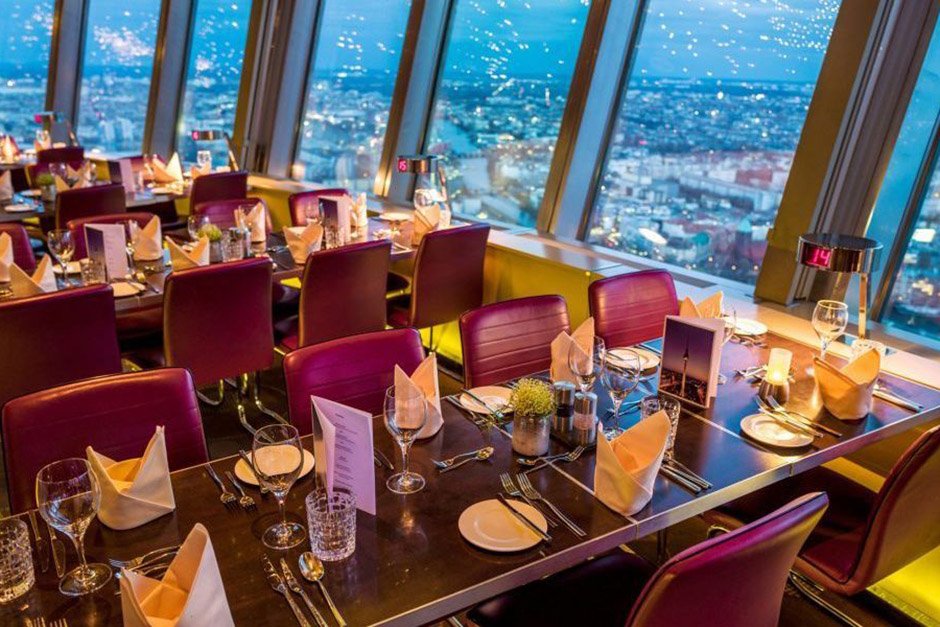
    Surely you visit Berlin with two pictures in your mind: the Brandenburg Gate and the famous Television Tower (Fernsehturm) in the main square of the city, Alexanderplatz. Although this last place does not need many introductions, you will be surprised to know that one of the most iconic restaurants in the city is located here: the Drehrestaurant im Fernsehturm. Nowhere else in Germany is there such a magnificent view of a city, as from here you can see the Reichstag, Museum Island, the main train station (Hauptbahnhof), even in the distance the Olympic Stadium and the very – and already mentioned- Brandenburg Gate.

    It is the highest restaurant in the city, this “sphere” located 203 meters above sea level rotates 360º every hour and offers a panoramic view of Berlin and of course with very good food!, described as “cuisine international deluxe”, where the traditional Berliner fused with international dishes abounds. The ingredients come from the region and the selection is always adjusted according to the seasons of the year, of course the setting and decoration are an obvious reference to Soviet Germany in the 1960s.

    The advice is to buy tickets in advance online, which will save you long waits and is the same advice you should take if you just want to go up the tower. We must warn you that the prices are not the cheapest in the city, although do not worry because below is our selection within reach of all pockets.

    2. Balthazar restaurant (nikolaiviertel)

    Spreeufer 2

    002

    In the middle of one of the oldest areas of Berlin, between traditional medieval alleys of the Nicholas Quarter (Nikolaiviertel), the Balthazar restaurant is located on the banks of the River Spre. Its furniture and decoration is simple, but its cuisine will not disappoint you, since it is traditional food with surprising touches, described as “casual” and with more than reasonable prices.
    Although the location seems somewhat hidden, it is one of the central points of the city within walking distance of the Humboldt Forum and the Museum Island, the Rotes Rathaus and Alexanderplatz.3. Hofbräu Wirtshaus Berlin y Zur Haxe


    Spreeufer 2

    003

    One of the traditions of Berlin is the Hofbräu Wirtshaus Berlin, it is surely one of those restaurants that come to mind when you think of Germany, because the whole range of
    traditional Bavarian cuisine can be found in this place originating in München. A few steps from “Alex” (the traditional city square) you can reach this place where you will not only discover the best Eisbein or Schweinshaxe (knuckle), Schnitzel or Currywurst, you will also enjoy the typical German atmosphere of Fußball (or soccer) national or of the summer beer gardens.


    4. Lia’s kitchen

    Kollwitzstraße 47

    004 lias kitchen

    As we have already said, Berlin is not only food from famous, traditional or expensive restaurants, it is also an ideal place for all palates, especially for those vegans and vegetarians who surely in other countries (“cof cof Italia”) would like it. more difficult to find a suitable food proposal, in Berlin on the other hand and in Lia’s Kitchen in particular, it is a dream, especially if you are a fan of hamburgers and fast food.
    In their small place in Prenzlauer Berg, one of the most fashionable neighborhoods in the city today, they prepare perfect hamburgers for post-party days, and their potatoes or French fries are cooked in top quality oils. If, on the other hand, during these days you want to delight yourself with something fresher, its variety of salads and smoothies will amaze you. Their portions are more than generous and their price is quite acceptable, even being homemade. Sauces are courtesy of the house.


    5. Alaska Bar

    Reuterstraße 85

    005

    Spanish tapas in Berlin? Of course, this small restaurant is located in another of the most popular sectors of the city: Neukölln, a neighborhood that today stands out for its avant-garde proposal and for the particularity of its neighbors in the Street style. Alaska Bar represents very well the spirit of the place where it is located, since on the one hand its restaurant stands out for the treatment given by its Spanish owners, close and friendly, but also the tapas prepared here are spectacular, everything is 100% vegan and homemade , and of course its more than affordable prices. The house recommendation: the homemade salmon, although you really should try everything you can, since the sizes of the tapas are made for it. In addition, you will feel a bit of Spain, since they have an extensive list of wines from the country.
    But not only that, you may wonder why this restaurant represents the spirit of the neighborhood so much? And it is that inside you can find a second-hand clothing store, so you eat amazing and you can find the latest fashion. And not only that, part of what is collected in the store and the restaurant goes to benefit animal organizations. Better recommendations impossible, even if you are not vegan or vegetarian, go for it because this place really is an experience.


    6. Burgermeister

    U1 Schlesisches Tor, Oberbaumstraße 8

    006 burgermeister closeup

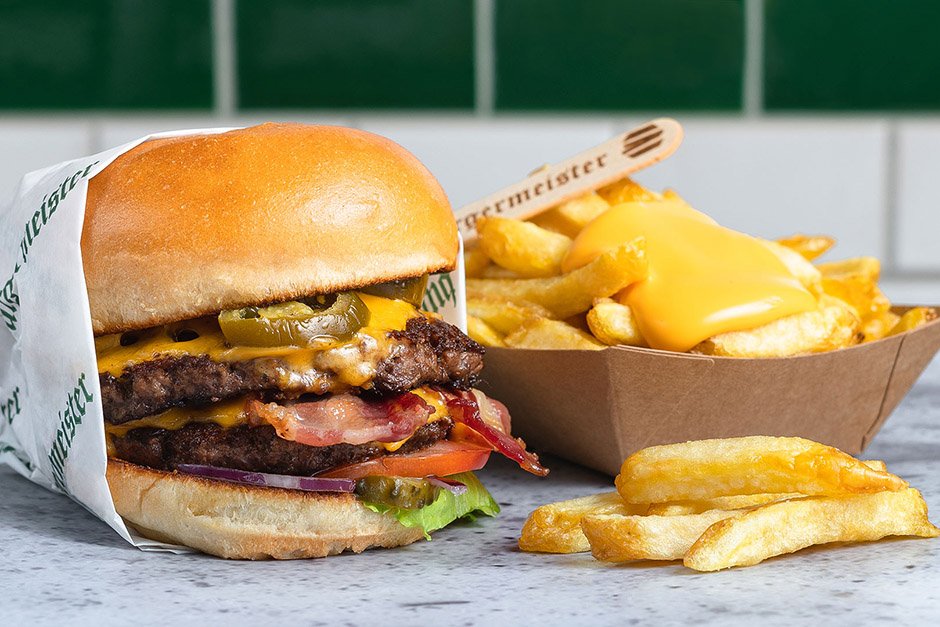
    If we are in the country where hamburgers were invented, of course we have a hamburger restaurant to recommend, Burgermeister is one of those places that are marked in your mind and that catch your attention. The chain has 5 stores and the main restaurant is located in what used to be public restrooms. Yes, believe it or not, today these restrooms have been renovated and (… they have all the hygienic standards up to date!) they function as a small place where the famous Meisterburger is sold, a hamburger with caramelized onions, bacon, barbecue sauce and mustard.
    If you are a difficult person to surprise because you have already seen the idea of ​​bathrooms elsewhere, what will surprise you are their prices, of our entire list it is one of the cheapest places in the city. This is a restaurant also very frequented by Berliners, so you must be patient when ordering, although once your order is made it will be ready in a few minutes.


    7. Mustafa’s gemüse kebap

    Mehringdamm 32

    007 mustafa

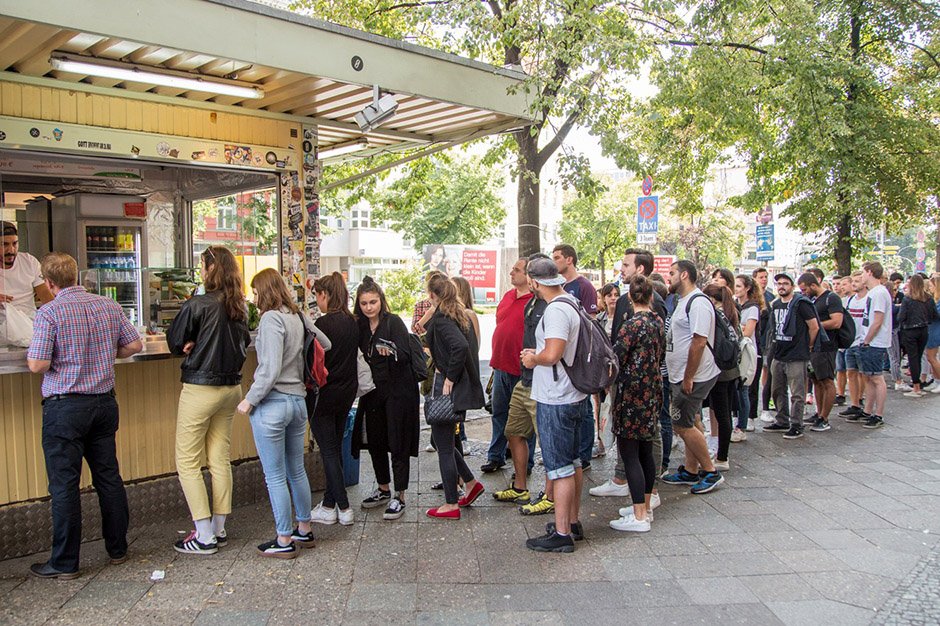
    We go to the corner of the long lines, large crowds, seas of tourists waiting for hours… and all for what? To try one of the greatest creations in Berlin, the internationally famous Döner or Kebap in Berlin. And why so much fame? Did you know that the Döner Kebap is a Berlin invention? Yes, it was created by a Turkish immigrant in the 70’s, this traditional Turkish dish was brought to the bread in this city to eat it quickly, so all the places that offer this dish are of the Imbiss type (fast food) and hence it has been eaten this way for 50 years and continues to be so popular today.
    Mustafa’s is recognized in the city as the best quality place for this dish and there is no tourist who does not leave Berlin without eating this Kebap, even if you find yourself with long waits you will check the quality of their bread, meat and the entire range vegetables (gemüsen) and signature sauces. Of course there is a vegan option: the Dürüm. The prices are extremely cheap.


    8. Curry 36 and Curry 61

    Mehringdamm 36

    008

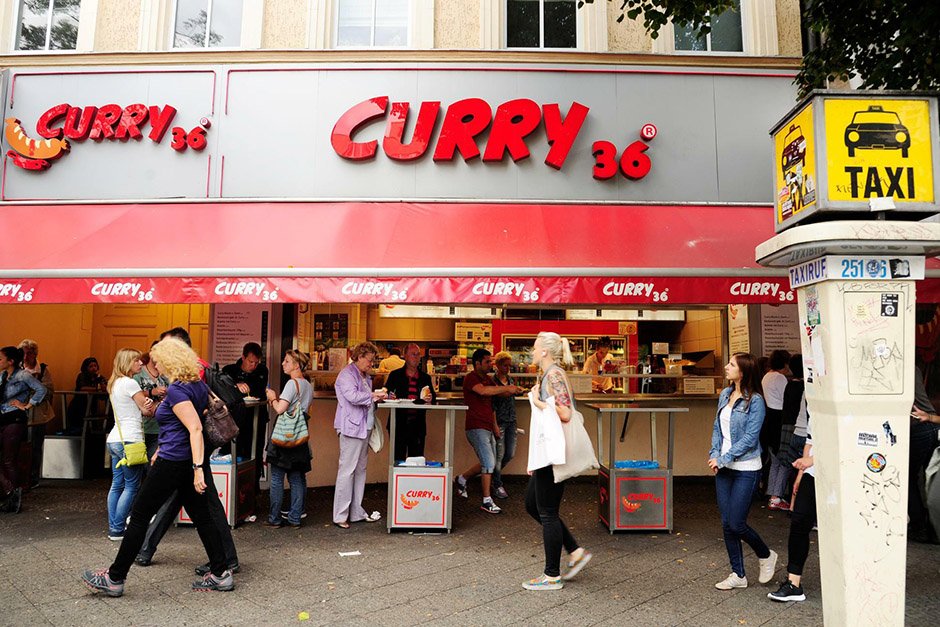
    Did you notice the address? Do you remember that we talked about the corner of the long lines, large crowds, seas of tourists waiting for hours? Just a few steps from Mustafa’s, located in the heart of the Kreuzberg neighborhood (another avant-garde neighborhood in Berlin), you will find another of our essentials, another Imbiss, another German classic: Curry 36, with its recommended Currywurst, German sausages with tomato sauce and a touch of curries

    And again, why so much fame?: This food was invented in the middle of Soviet Germany, the working class and especially taxi drivers in the 50s used to order it during their breaks, and of course being in the country of the potato, it began to be accompanied with potatoes or French fries. Even if you see long lines, don’t worry, the wait is very short and the prices are among the cheapest on this route. You can also repeat the experience at the Curry 61 branch located in the Jewish Quarter, a few steps from the Hackescher Markt station.


    9. House of small wonder (brunch)

    Auguststraße 11-13

    009

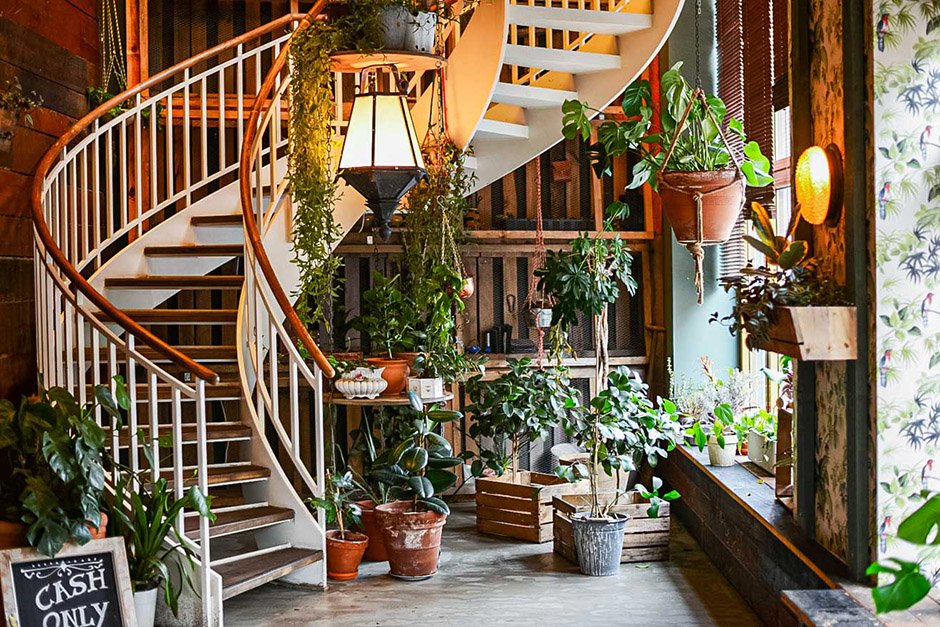
    We have told you many times that Berlin is the city where you will find food for all tastes, budgets and options, but it is also the city of the avant-garde and trend, and one of the biggest trends today is the renowned brunch, of course at Like the big cities of the world like New York or London, Berlin has one of the best places to try these breakfast foods.
    The cosmopolitan nature of the city means that these types of restaurants spread to all neighborhoods, but the most famous is House of small wonder (or better known by its acronym HOSW), located in the heart of Berlin and with a concept inspired by the Japanese tradition has been able to gain a space since 2015.

    Be warned that as of July 2021, we have been told by the owners of HOSW that the restaurant has been temporarily (re)located to the historic Jewish Girls’ School on Auguststrasse, not far from its original home, amazing visit.


    10. Tim Raue restaurant

    Rudi-Dutschke-Straße 26

    Finally, we have a recommendation to treat yourself, it is more than just a meal, it is defined by experts as an experience for the palate and for this reason it has been chosen as one of the best restaurants in the world in 2016 (38 within 50), everything is worth it here, even what you can expect to pay. We already told you, it is a small luxury, but it will be fully rewarded.
    We have already seen Asian-inspired sites spread throughout the city, as described on Berlin’s official website, this restaurant, located near Checkpoint Charlie and the Jewish Museum, very close to our previous recommendation, “offers Asian-inspired cuisine.” Asian. The food combines the perfection of Japanese products, the Thai aroma and the philosophy of Chinese cuisine”, which makes it one of the places best valued by gastronomic regulars in the world and has no less than two Michelin stars.


    Summary – 10 best places to eat in Berlin

    As you can see, Berlin is a city full of gastronomic experiences, you have options to eat well at any time, with any dish you try and for all budgets. And it is that all this refers to the cosmopolitan nature of its population and the particularity of its history. If you want to discover all these unique experiences and learn everything about the city of Berlin, do not hesitate to take one of our Free Walking Tours with us, we are waiting for you!

  • The five best Christmas markets in Berlin

    The five best Christmas markets in Berlin

    1. Mercado de Navidad en Gendarmenmarkt

    22 de Noviembre al 31 de Diciembre de 2021

    WeihnachtsZauber-Gendarmenmarkt-Stands

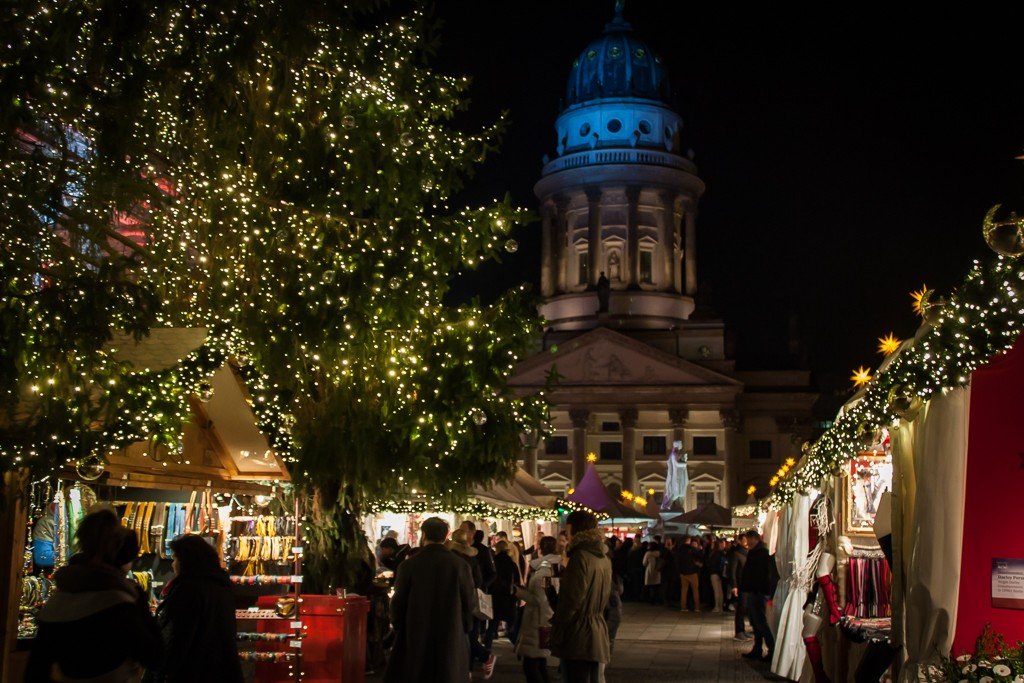
    En Gendarmenmarkt, hay una mezcla navideña con ambiente hogareño, donde también puedes encontrar arte visual, delicias culinarias y artesanía antiguas. Se anticipan shows en el escenario y con el público asistente.

    2. Mercado de Navidad en Alexanderplatz

    22 de Noviembre al 26 de Diciembre de 2021

    Durante la temporada navideña, el lugar de encuentro más popular de Berlín, el reloj mundial (Weltzeituhr) en Alexanderplatz de Berlín, tiene una fuerte competencia con la pirámide navideña Erzgebirge (la más grande de Europa) que se instala allí en este tiempo. Por supuesto, también puedes disfrutar de las delicias culinarias y artesanía antiguas.

    3. Mercado de Navidad en el Roten Rathaus

    22 de Noviembre de 2021 al 2 de Enero de 2022


    El mercado de Navidad en el Roten Rathaus (Ayuntamiento Rojo) se encuentra alrededor de la Fuente Neptuno en el lado oeste de Alexanderplatz, y ofrece una panorámica impresionante de la Fernsehturm (la famosa Torre de Televisión). No te puedes perder dar una vuelta en la impresionante Rueda de la Fortuna o Vuelta al Mundo y patinar en hielo en la enorme pista de hielo instalada.

    4. Mercado de Navidad en la Ciudadela de Spandau

    26 de Noviembre al 23 de Diciembre de 2021

    El mercado navideño en el casco antiguo de Spandau es uno de los mercados navideños más bellos y tradicionales de Berlín ya que se realiza en la fortaleza renacentista mejor conservada del norte de Europa y pocas palabras pueden describir la maravilla que representa la navidad en ese lugar.

    5. Mercado de Navidad en la Gedächtnis-Kirche (Iglesia Memorial)

    22 de Noviembre de 2021 al 02 Enero de 2022

    Mercado de Navidad en la Gedächtnis-Kirche

    El mercado navideño alrededor de la Iglesia Memorial Kaiser Wilhelm en el corazón de la ciudad muestra su lado más hermoso en esta época. El gigante árbol de navidad allí instalado nos atrae. Y si no has encontrado tus regalos navideños este es seguramente el lugar indicado, ya que ofrece una variedad de puestos y las tiendas más famosas del mundo se encuentran en sus alrededores.

  • Best vegan restaurants in Wrocław

    Best vegan restaurants in Wrocław

    When it comes to eating in Poland, sometimes it can be difficult to find alternatives to traditional cuisine, where everything seems to contain meat to a greater or lesser extent. That is why at Viadrina Tours we have put together this guide with the best vegan options in the city of Wrocław (Wrocław). Here [and our best recommendations:

    vega restaurant breslavia 1

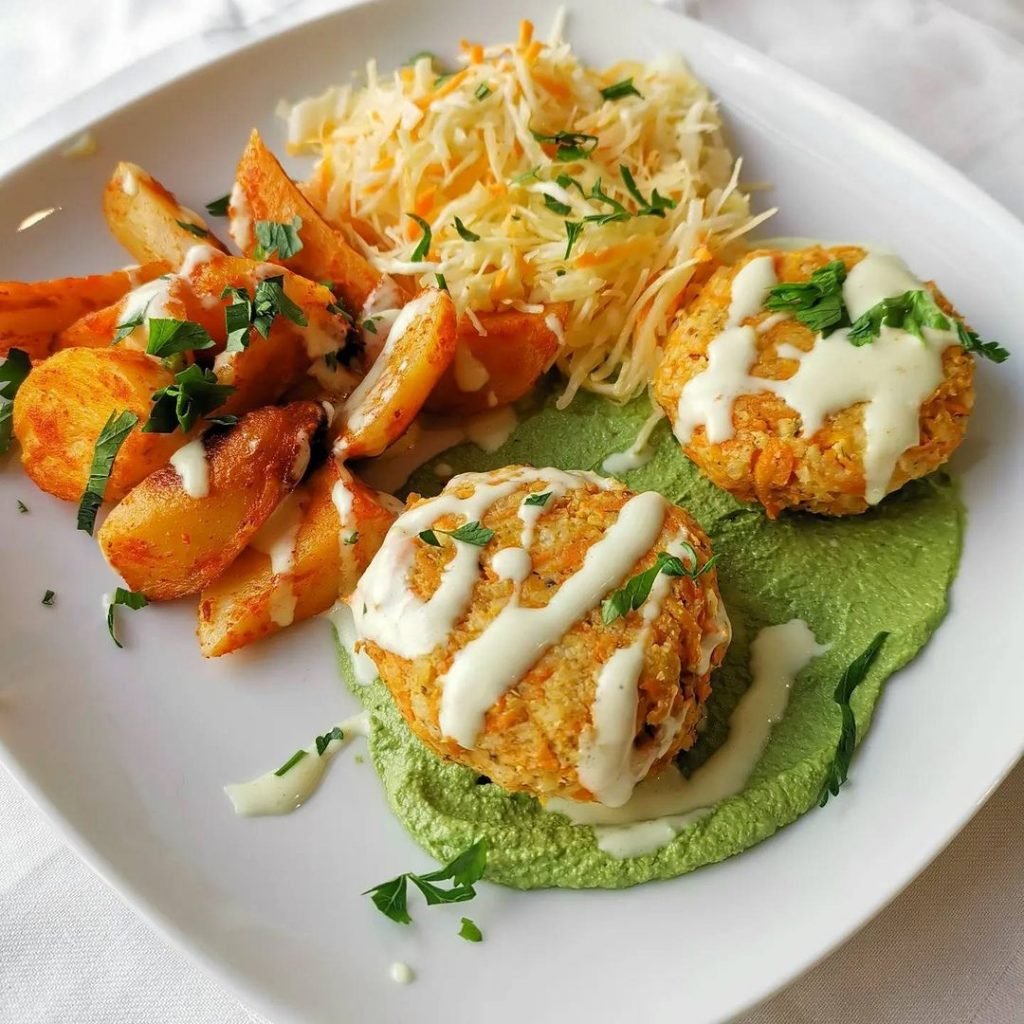
    1. Vega

    In the heart of the city, a few meters from the old Town Hall is VEGA, a vegan bar with a long tradition. In the lower part of the restaurant you can eat, among others, Polish dishes such as “Russian” meatballs, stuffed cabbage or rolls. This restaurant also offers oriental dishes and pizza.

    Address: Sukiennice 1/2
    Instagram: Vega Restaurant

    241920598 1956518427849981 18573583788243171 n

    2. Krowarzywa

    The bar offers, among other burgers, kebab and seitan pastrami.

    Address: Rzeźnicza 34
    Instagram: Krowarzywa

    vege thai food breslavia viadrina tours 1

    3. Vege Tai Fun

    In the restaurant, we will eat, among other things, pad thai, curries, nori seaweed wraps or sushi. Of course, everything is vegan.

    Address: Cybulskiego 3/1a
    Instagram: Vege Thai Fun

    241175141 537661520645095 5347976873919193421 n

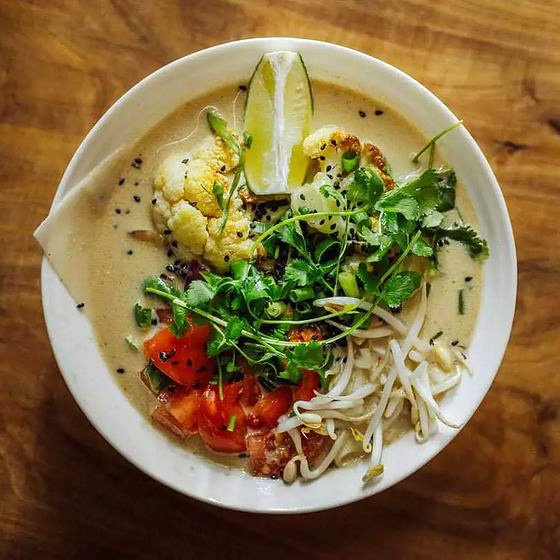
    4. Kuźnia Dzięcioła

    If you like surprises, the restaurant offers a different soup every day, a main dish and a woodpecker cauldron. They have an extensive menu with the best vegetarian and vegan options.

    Address: Szczytnicka 41
    Instagram: Kuźnia Dzięcioła

    116792329 295221811708314 1146611499921210144 n

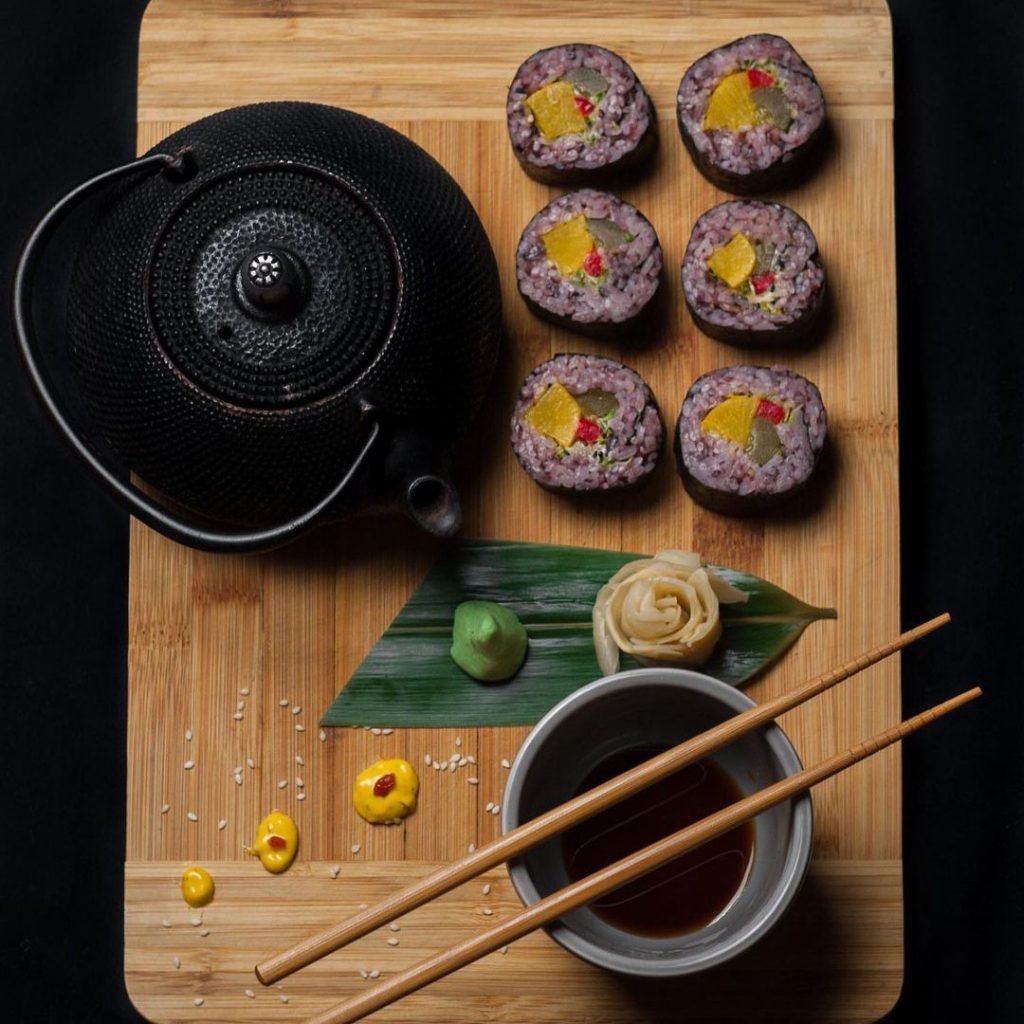
    5. The ROOT

    This small restaurant mainly offers takeaway food in the city centre. Among other things, it offers vegan sushi and a variety of lunch boxes and wraps.

    Address: Krupnicza 3
    Instagram: The ROOT

    250305026 567904891181359 7680854856419994663 n

    6. Warzywniak

    The restaurant offer includes, among others, “pork” cutlet, soy shawarma and fried cheese, vegan of course.

    Address: Kościuszki 76B
    Instagram: Warzywniak

    254328735 645432983505245 7579216365351936257 n.webp

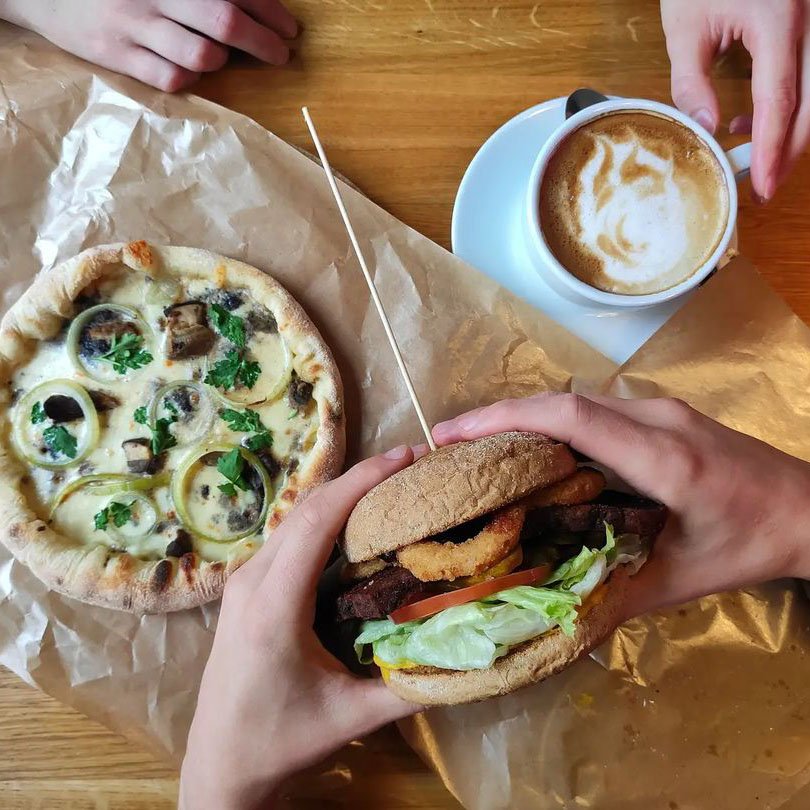
    7. Green Bus

    The restaurant’s offer includes a wide selection of seitan pizzas and burgers. Each menu item can be vegan or vegetarian.

    Address: Dubois 2/1c
    Instagram: Green Bus

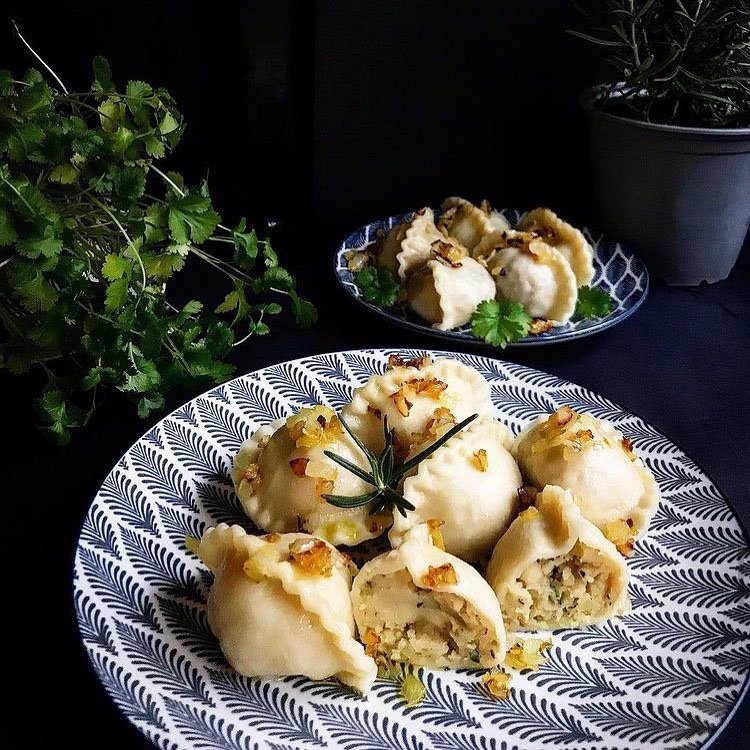
    Pierogi Vegan Breslavia Viadrina Tours

    8. Pierogi Vegan

    The takeaway restaurant offers a wide selection of pierogis, typical Polish dumplings and soups in various versions.

    Address: Pasaż Żielińskiego
    Instagram: Pierogi Vegan

    wilk syty wroclaw

    9. Wilk Syty

    The restaurant changes its menu with the arrival of the new season. On the menu, you will find, among other ramen or macaroni and cheese.

    Address: Trzebinicka 3/1UL
    Instagram: Wilk Syty

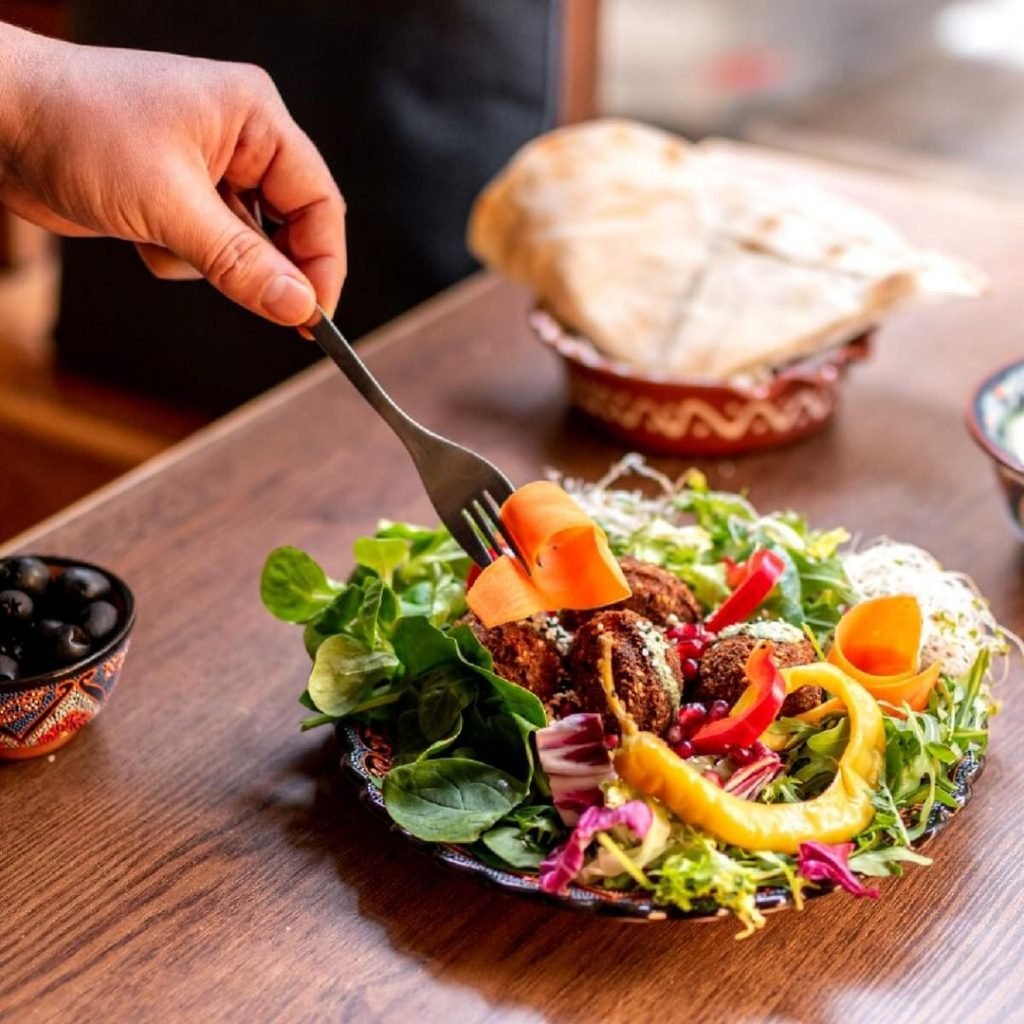
    ibo falafel wroclaw

    10. Ibo Falafel

    The restaurant changes its menu with the arrival of the new season. On the menu, you will find, among other ramen or macaroni and cheese.

    Address: Świętego Mikołaja 15
    Instagram: Ibo Falafel

    What did you think of our selection with the best vegan restaurants in the city? Do you want to add a site to our list? Write us in the comments!